

- Home
- Case Studies
- Valley Line Southeast
Accessibility Program for a New Transit Line
Helping riders with accessibility needs get to know Edmonton's new low-floor LRT system before they ever stepped on board.
- Project
- Valley Line Southeast LRT
- Project Owner
- City of Edmonton
- Prime Consultant
- AECOM
- Date
- 2022 to 2024
Building Confidence Before the First Ride
The launch of the Valley Line Southeast LRT introduced a new type of LRT system to Edmonton.
For riders with accessibility needs, a new transit system can bring uncertainty. The challenge was helping passengers understand how its features worked and how to find their way around the new system before rider service began.
reVerb saw an opportunity to help riders feel informed and confident before they ever stepped on board.
Working With Edmonton's Accessibility Advisory Committee
As part of the Valley Line Southeast public safety campaign, reVerb worked with the City of Edmonton's Accessibility Advisory Committee (AAC) to understand their concerns and identify virtual and in-person opportunities to alleviate them. reVerb organized and facilitated online and in-person sessions to gather feedback and answer questions about the system's features.
Train on Display
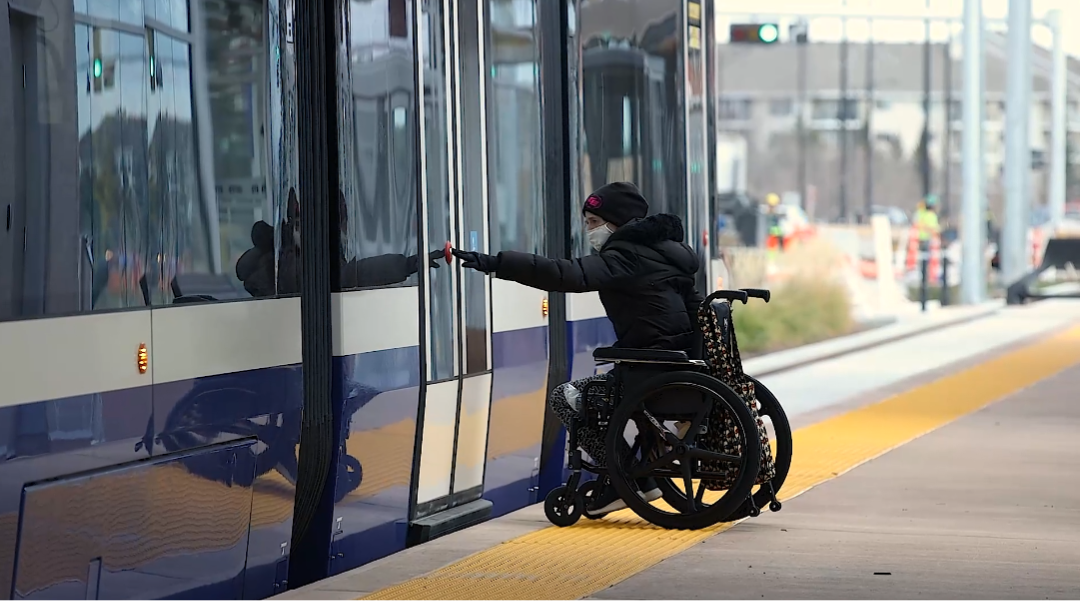
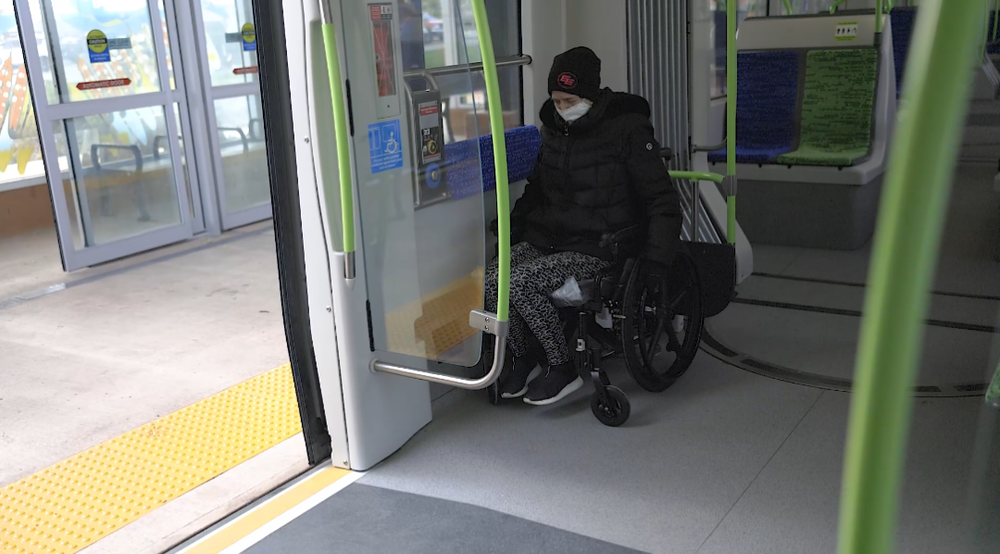
The Train on Display event was central to helping riders with accessibility needs feel confident on opening day. AAC members and their families were given dedicated time before the public to explore the low-floor LRT system in a safe and supported environment.
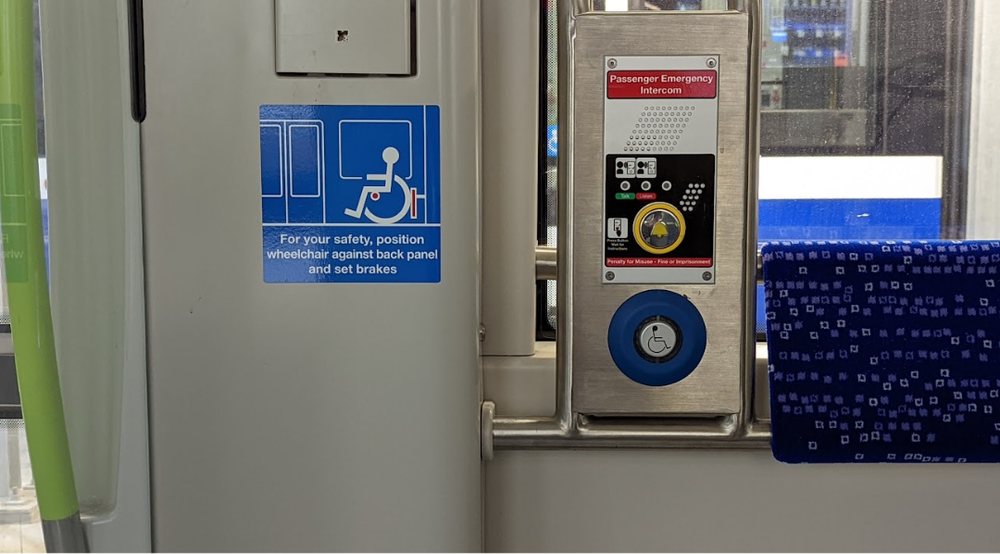
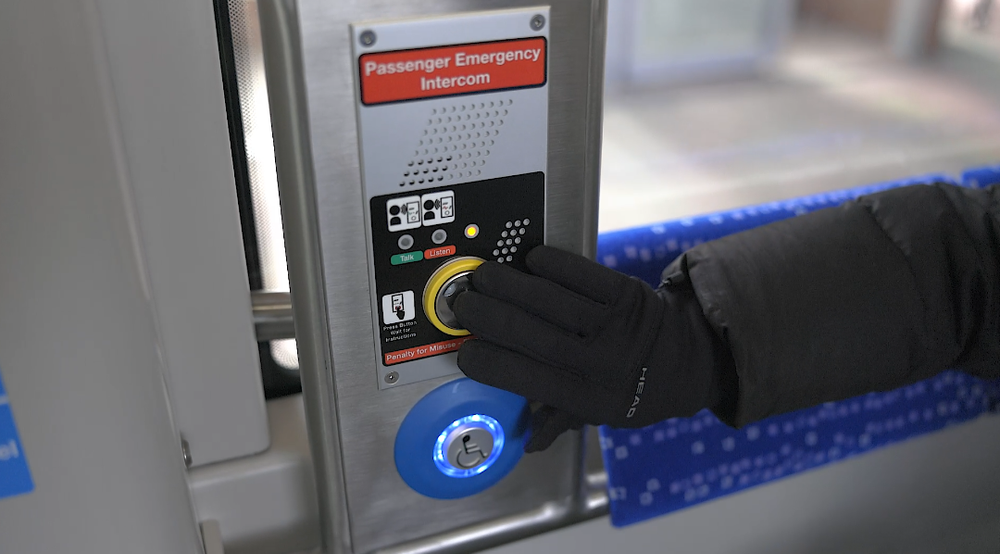
Technical experts were on hand to explain the system's design and answer questions. They also demonstrated how key features would work in practice.
Accessible Video and Virtual Tours
The preparation continued beyond the platform. reVerb led the development of a detailed system information video with closed captions and ASL, through open collaboration with local accessibility advocacy groups.
Virtual tours with audio and text features were developed for the City of Edmonton website, giving potential users another way to explore the low-floor LRT system.
- Closed Captions
- ASL
- Audio and Text Tours
- Live Captioning
On Board and at the Platform
The Results
Proactive Risk Mitigation
Engaging accessibility communities before rider service began gave the project a timely opportunity to address questions and potential points of uncertainty.
A Dedicated Communications Channel
The work created a direct communications channel with accessibility advocates and raised awareness of the system's accessibility features and how it would operate. Advocacy organizations came away with information to share with their own networks and future riders.
Two-Way Engagement and Feedback
Riders with accessibility needs asked questions and gave feedback based on their lived experience and on how the system would affect their ability to use transit.
Greater Preparedness
By combining education and firsthand experience, the engagement helped accessibility communities understand what to expect and prepare for the transition to the new LRT system.
Accessible Information From the Start
Accessible design is one part of accessibility. People also need accessible information to know what to expect and feel confident using a new system.
By bringing riders with accessibility needs into the system before opening and sharing information through multiple accessible channels, reVerb helped turn a new and unfamiliar transit environment into one passengers could better understand and prepare for.
Strategic communications can complement infrastructure by anticipating where people may experience uncertainty and removing barriers to information before a complex system becomes part of everyday life.
Accessibility at every stage of the engagement
- Online meeting tools with live captioning to support accessible participation
- Videos produced with captions and ASL translation
- Audio and text built into the virtual experience
- An accessible in-person event where users could experience the system firsthand
Valley Line Southeast LRT Communications and Engagement
Stakeholder engagement and inquiry management across the 13-kilometre Southeast extension.
Read the Profile Case StudyStreet Teams
Street-level outreach across Valley Line Southeast and West, with more than 100 events.
Read the Case StudyPlanning a Transit or Infrastructure Opening?
Major infrastructure projects change how people move through their communities. reVerb helps project teams communicate those changes clearly and bring the people who will experience them in early.
