Professional Training & Speaking Services

Communications Training, Media Training, Crisis Communications & Conference Speaking

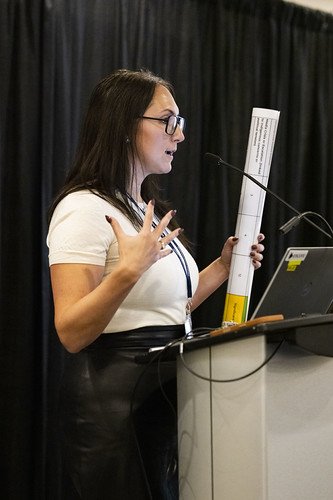
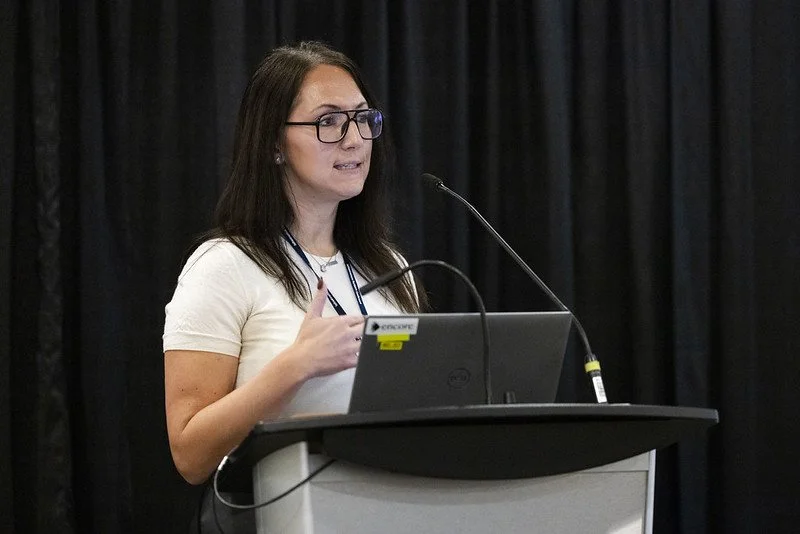
Rachel Rae - Risk Management Presentation at CEA Infrastructure Conference 2025

reVerb Communications delivers professional training and speaking services for organizations seeking to strengthen communications capabilities, prepare spokespersons for media engagement, build crisis response capacity, and provide teams with practical stakeholder engagement skills.

We provide specialized training programs, conference and keynote speaking, lunch and learn sessions, and custom workshops for infrastructure teams, municipal governments, engineering firms, construction companies, non-profit organizations, corporate clients, and associations across Canada. Our training combines real-world experience from major infrastructure projects with proven communications frameworks.

Our team brings diverse expertise: former broadcast journalists who understand media from the inside, communications practitioners with hands-on experience managing billion-dollar LRT projects, crisis communications specialists who've navigated workplace incidents and community controversies, and stakeholder engagement experts who've built support for complex infrastructure initiatives. Our training isn't theoretical—it's built from field experience managing media scrutiny, navigating crises, engaging diverse stakeholders, and translating technical complexity into accessible communications.

Effective communication is a

risk management tool!

OUR TRAINING & SPEAKING SERVICES

  • We offer complimentary 60-minute lunch and learn sessions for organizations investing in professional development (engineering firms, architecture firms, general contractors, municipalities, etc.). These sessions provide your team with practical communications and stakeholder engagement strategies in an accessible, conversational format.

    Available Topics:

    Stakeholder Engagement to Drive Project Success

    A practical, field-tested session for infrastructure, construction, and development teams. We cover how early engagement reduces project risk, the communication breakdowns that cause delays and disputes, documentation strategies that protect your team, and real examples from public infrastructure projects.

    Communicating Complex Projects to Diverse Audiences

    Master the art of technical translation—communicating engineering concepts, project details, and complex information clearly to communities, stakeholders, elected officials, and media without losing accuracy.

    Risk Communication for Infrastructure Projects

    Specialized session on communicating project risks, safety information, construction impacts, and concerns to stakeholders effectively and honestly while maintaining project support.

    Format:

    In-person or virtual delivery, customizable to your team's needs and schedule. Ideal for team meetings, professional development days, or monthly learning programs. Sessions include Q&A, real-world examples, and takeaway resources.

    Who Benefits:

    Engineering firms, architecture firms, construction companies, municipal departments, utilities, contractors, planning departments, technical service providers, and project teams managing stakeholder-facing work.

  • Media Training for Executives & Spokespersons

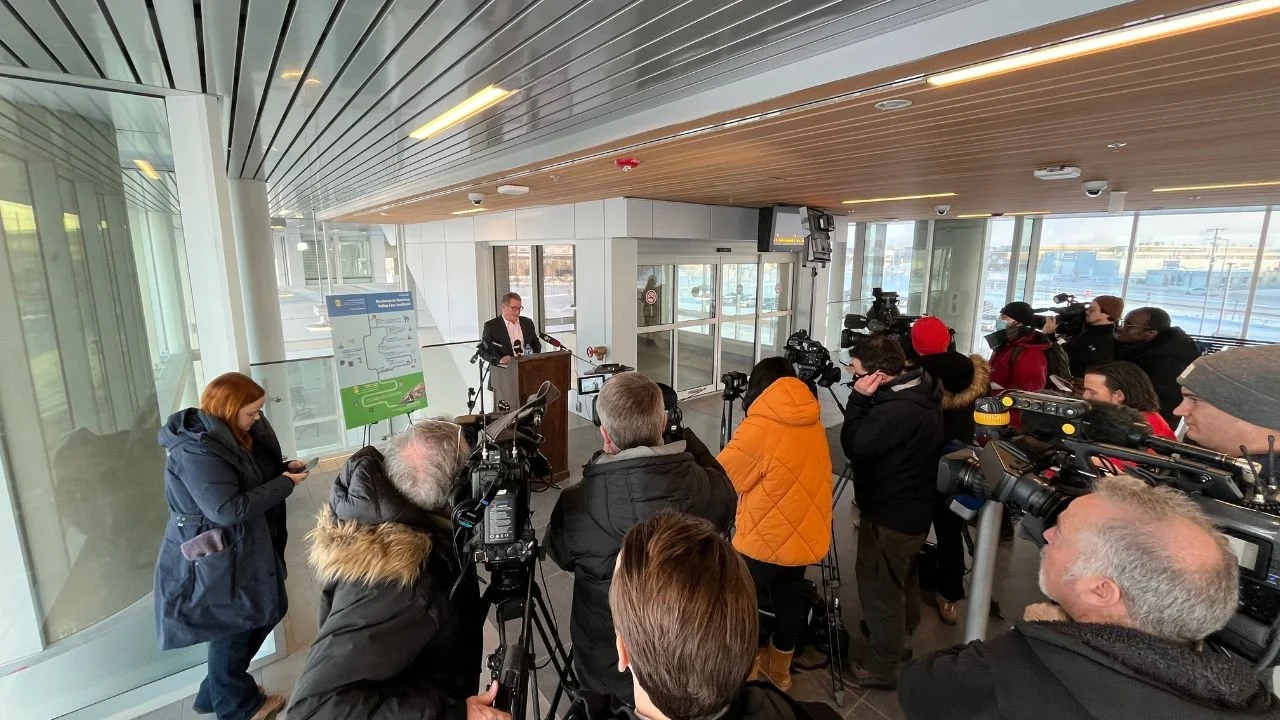
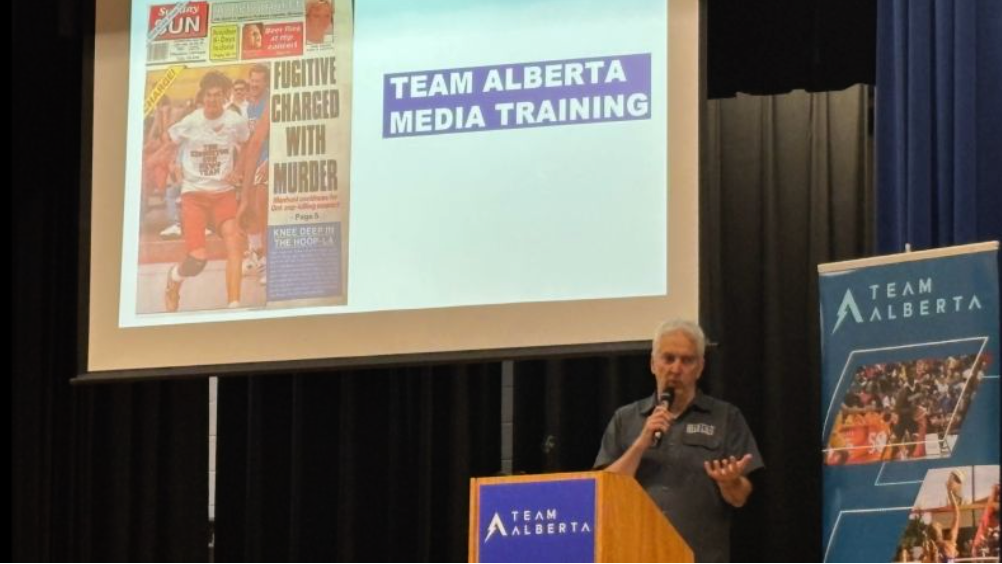
    Prepare executives, spokespersons, and technical experts to communicate effectively with journalists across all media formats—print, broadcast, digital, and social media. Our media training draws on Glenn Kubish's experience as a former broadcast journalist, providing insider understanding of how media works and what journalists need.

    What's Covered:

    Understanding the Media Landscape
    How journalism works, what makes stories newsworthy, deadlines and pressures journalists face, and the relationship between spokesperson and reporter.

    Interview Techniques & Best Practices
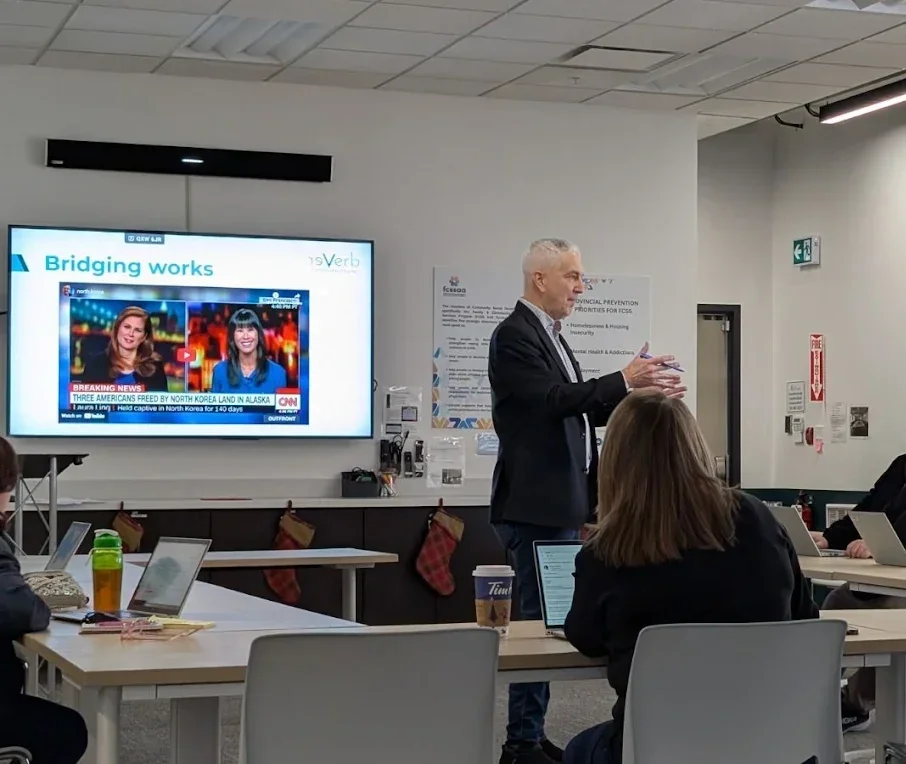
    Structuring responses, bridging to key messages, handling difficult questions, staying on message under pressure, and avoiding common interview traps.

    Message Development & Delivery
    Creating clear key messages, developing compelling sound bites, supporting messages with examples, and delivering messages confidently across formats.

    Handling Difficult Questions
    Techniques for responding to hostile questions, declining to speculate, correcting misinformation, and redirecting to key messages without appearing evasive.

    On-Camera Presence & Body Language
    Camera technique, body language, vocal delivery, eye contact, and managing nervousness during television and video interviews.

    Crisis Interview Preparation
    Specific strategies for media interviews during crises, maintaining composure under pressure, expressing empathy appropriately, and protecting organizational reputation.

    Print vs. Broadcast vs. Digital
    Adapting approach for different media formats, understanding editorial vs. live interviews, managing social media interactions, and handling rapid-fire digital news cycles.

    Practice Interviews with Video Feedback
    Realistic practice interviews on camera with immediate playback and detailed feedback. Participants see themselves on camera, identify strengths and areas for improvement, and practice techniques repeatedly until comfortable.

    Delivery Options:

    • Executive one-on-one training (half-day or full-day): Intensive personalized training for C-suite executives, senior leaders, or high-profile spokespersons

    • Small group training (4-8 participants): Cost-effective option for leadership teams, allows peer learning and realistic group dynamics

    • Team workshops (up to 20 participants): Larger sessions with foundational training plus breakout practice groups

    Who Benefits:

    CEOs, executive directors, presidents, VPs, project managers, engineers, scientists, municipal officials, elected officials, corporate communications teams, technical subject matter experts, anyone who interacts or may interact with media.

    Pricing:

    Custom quotes based on scope, number of participants, and delivery format.

  • Build organizational capacity to respond effectively when crises emerge—from workplace incidents and project controversies to reputational threats and community backlash. Our crisis training draws from real experience managing crises on billion-dollar infrastructure projects and high-stakes stakeholder environments.

    What's Covered:

    Crisis Communications Planning & Preparedness
    Developing crisis communications plans, identifying potential crisis scenarios, establishing response protocols, creating holding statements, building crisis communications teams, and preparing infrastructure before crises strike.

    Rapid Response Frameworks
    Structured approaches for immediate response—first 15 minutes, first hour, first 24 hours. Decision-making under pressure, information verification, message development, and coordination across teams and departments.

    Spokesperson Identification & Preparation
    Selecting appropriate spokespersons for different scenarios, training spokespersons for crisis situations, preparing executives for high-pressure interviews, and managing multiple spokespersons consistently.

    Crisis Message Development
    Creating effective crisis messages under time pressure, expressing empathy appropriately, taking responsibility without increasing liability, correcting misinformation, and managing evolving situations where facts change.

    Media Management During Crises
    Responding to media during incidents, managing press conferences, handling hostile questions, coordinating media interviews, monitoring coverage, and correcting inaccurate reporting.

    Social Media Crisis Response
    Monitoring social media during crises, responding to online criticism and misinformation, using social media for rapid information distribution, managing community sentiment online, and coordinating social media with traditional media response.

    Stakeholder Communications During Incidents
    Communicating with employees, community members, partners, board members, funders, and other stakeholders during crises. Internal vs. external messaging, maintaining stakeholder trust, and managing diverse stakeholder concerns simultaneously.

    Crisis Simulations & Tabletop Exercises
    Realistic crisis scenarios with live media interviews, social media simulation, stakeholder calls, and real-time pressure. Teams practice response under realistic conditions, identify gaps in preparedness, and build confidence through experience.

    Recovery & Reputation Rebuilding
    Post-crisis communications strategies, rebuilding stakeholder trust, demonstrating accountability and learning, and transitioning from crisis response to normal operations.

    Post-Crisis Evaluation
    Conducting after-action reviews, documenting lessons learned, updating crisis plans based on experience, and strengthening preparedness for future incidents.

    Delivery Options:

    • Crisis planning workshops (half-day or full-day): Develop comprehensive crisis communications plans with your team

    • Crisis simulation exercises (half-day or full-day): Realistic scenario-based training where teams respond to unfolding crises

    • Executive crisis media training (half-day): Intensive preparation for senior leaders who would speak during crises

    • Team crisis preparedness programs (multi-session): Comprehensive programs over several months building organizational crisis capacity

    • Ongoing crisis communications retainers: Training plus 24/7 availability for rapid response when crises occur

    Who Benefits: Organizations facing reputational risk, infrastructure project teams, construction companies, municipal governments, utilities, corporate crisis teams, executive leadership, communications departments, anyone managing high-stakes projects or public-facing operations.

    Pricing: Custom quotes based on organization size, crisis risk profile, and program scope.

  • We design custom training programs tailored to organizational needs, team challenges, specific communications contexts, and unique project requirements. If our standard training programs don't quite fit your needs, we'll create something that does.

    Custom Training Examples:

    Multi-Day Comprehensive Programs
    Intensive multi-day training covering multiple communications disciplines—media relations, crisis communications, stakeholder engagement, and technical communication—for organizations building comprehensive internal capacity.

    Embedded Training for Long-Term Projects
    Training integrated with project delivery over months or years. We provide training at project milestones, coach team members through real communications challenges, and build capacity progressively as projects evolve.

    Team Capacity Building Over Time
    Multi-session programs delivered over several months where teams learn fundamentals, practice between sessions, receive coaching, and progressively develop skills with ongoing reinforcement and accountability.

    Industry-Specific Training Development
    Training specifically designed for particular industries or sectors—energy, utilities, healthcare, education, transportation—incorporating industry-specific examples, regulations, and stakeholder dynamics.

    Communications Audits with Training Recommendations
    Comprehensive assessment of organizational communications capacity, identification of gaps and weaknesses, followed by customized training program addressing specific needs identified in audit.

    Executive Communications Coaching Programs
    One-on-one coaching for senior executives over several months, developing specific communications skills, preparing for high-stakes situations, and building long-term communications effectiveness.

    Crisis Preparedness + Ongoing Response Capacity
    Comprehensive crisis programs combining preparedness training, crisis plan development, simulation exercises, and ongoing retainer for 24/7 crisis response capability when incidents occur.

    Project-Specific Communications Training
    Training customized for specific projects—incorporating actual project details, real stakeholder groups, authentic concerns and challenges—so teams practice with realistic scenarios they'll actually encounter.

    Pricing:

    Custom quotes based on scope, number of participants, and delivery format.

  • Thought Leadership for Industry Events

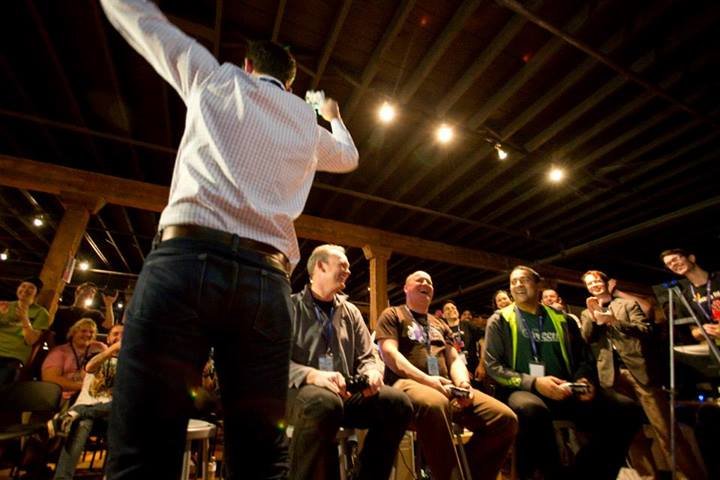
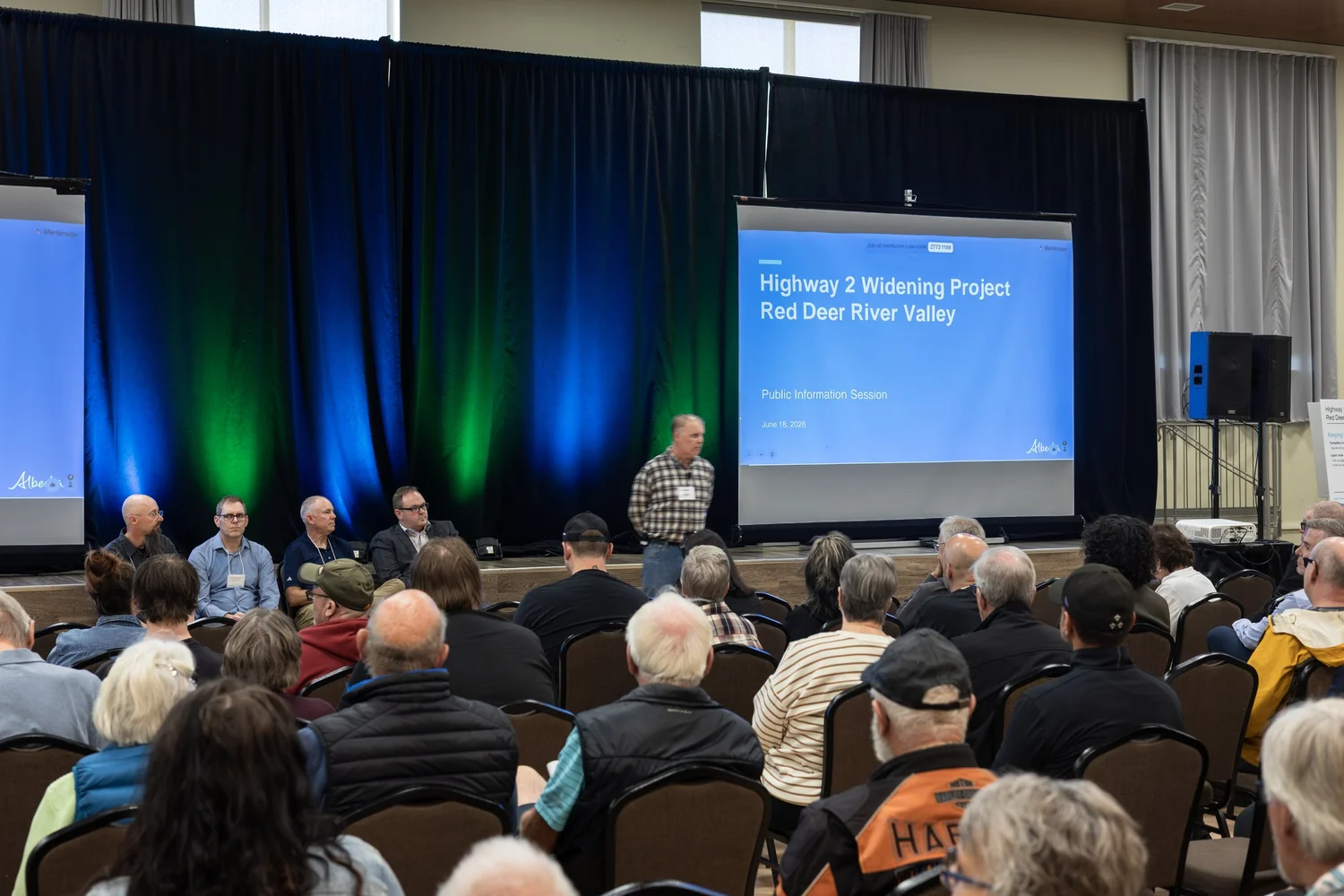
    reVerb Communications provides conference speaking, keynote presentations, panel participation, and workshop facilitation for industry associations, corporate events, municipal conferences, and professional development gatherings.

    Speaking Topics:

    Infrastructure Communications & Stakeholder Engagement

    • Stakeholder Engagement for Complex Infrastructure Projects: Lessons from Major LRT Construction

    • Communications That Keep Projects on Track: Risk Management Through Strategic Communications

    • Managing Opposition on High-Profile Projects: Building Support Despite Organized Resistance

    • Community Relations for Long-Term Construction: Maintaining Relationships Over Multi-Year Projects

    • Indigenous Consultation Best Practices: Building Respectful Relationships and Meeting Legal Obligations

    Media Relations & Crisis Communications

    • Media Relations for Infrastructure Projects: Working Effectively with Traditional and Digital Media

    • Crisis Communications: Preparing Before Crisis Strikes (Because It Will)

    • Managing Media in High-Stakes Situations: Lessons from the Field

    • Reputation Management for Public Projects: Protecting Organizational Credibility

    • Social Media Crisis Response: Moving at Digital Speed with Strategic Thinking

    Technical Communications & Translation

    • Translating Engineering for Public Audiences: Making Technical Work Accessible

    • Communications Risk Management for Technical Projects: Preventing Problems Before They Start

    • Building Public Support for Infrastructure: Moving from Opposition to Acceptance

    • Regulatory Communications and Public Consultation: Meeting Requirements While Building Relationships

    Communications Strategy & Planning

    • Strategic Communications Planning for Complex Projects

    • Integrating Communications into Project Management

    • Measuring Communications Effectiveness: Demonstrating ROI

    • Building Internal Communications Capacity: Training Teams for Success

    Available For:

    • Industry association conferences (engineering, construction, municipal, infrastructure)

    • Corporate annual meetings and team events

    • Professional development seminars and training days

    • Panel discussions and roundtables (moderator or participant)

    • Virtual conference presentations and webinars

    • In-person keynotes and breakout sessions

    Session Formats:

    • Keynote presentations (30-60 minutes)

    • Breakout sessions (45-90 minutes)

    • Half-day workshops (3-4 hours)

    • Full-day intensive training

    • Panel participation and moderation

Featured Training Session:

Stakeholder Engagement to Drive Project Success

A practical, on-the-ground session for technical infrastructure, construction, and land development teams.

This presentation is built for professionals involved in planning, design, and delivery phases, whether you’re an engineer, architect, or contractor.

We cover:

  • How early engagement reduces project risk

  • The communication breakdowns that cause delays and disputes

  • Documentation strategies that protect your team

  • Real examples from public infrastructure projects

Sessions can be delivered in person or virtually. Ideal for lunch and learn formats, internal PD days, or team training.

BOOK SESSION

Stakeholder Engagement
PDF Download

WHO WE TRAIN

Organizations & Professionals Across Sectors

Infrastructure & Construction
Project teams, construction managers, site supervisors, engineers, contractors, infrastructure owners, and developer communications staff managing stakeholder engagement and media relations on major projects.

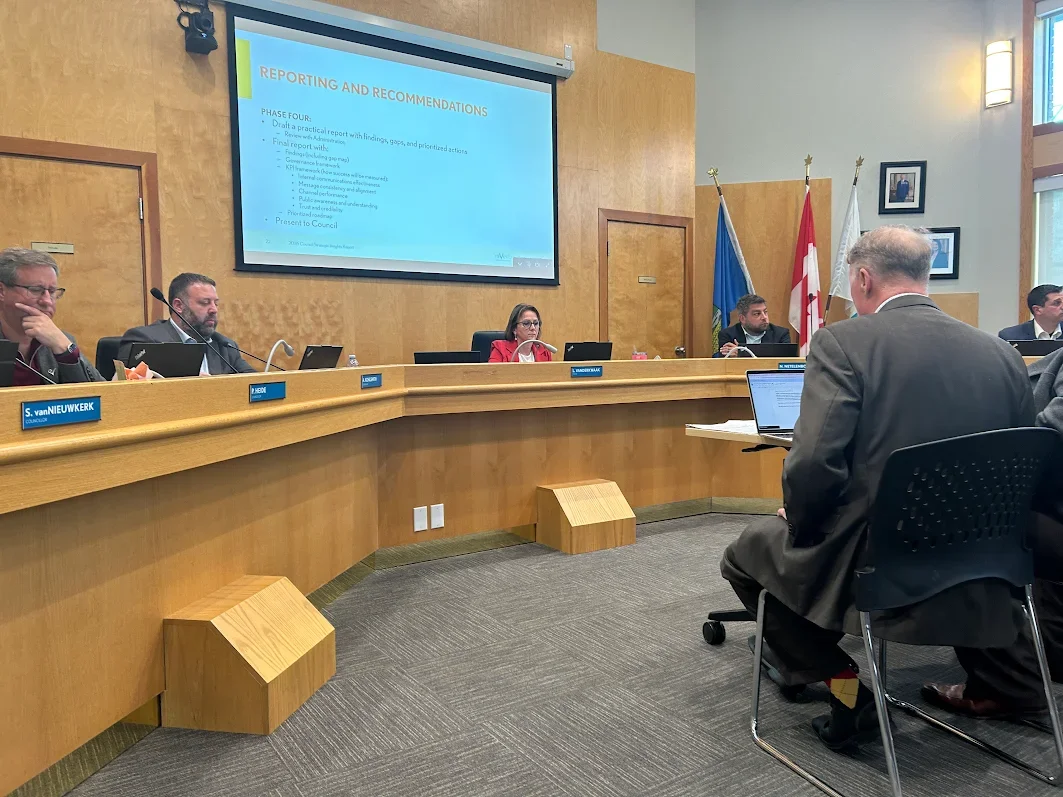
Municipal & Government
Municipal officials, department heads, elected officials, city managers, communications teams, planners, and public works staff requiring media skills, stakeholder engagement capabilities, and crisis response preparedness.

Engineering & Consulting Firms
Engineers, architects, planners, environmental specialists, technical consultants, and client-facing professionals who communicate with stakeholders, media, regulators, and non-technical audiences.

Corporate & Private Sector
Executives, communications teams, project managers, facility managers, community relations staff, and corporate leaders managing public-facing communications, crisis response, and stakeholder relationships.

Associations & Non-Profits
Executive directors, communications staff, development directors, program managers, volunteer leaders, and non-profit professionals requiring media skills, fundraising communications, and stakeholder engagement capacity.

Utilities & Public Agencies
Utility communications teams, public agency spokespersons, regulatory affairs staff, and officials managing public-facing communications, rate consultations, infrastructure projects, and crisis response.

Why Choose reVerb for Training & Speaking Services

Practitioner Experience, Not Just Theory

Our training is built from field experience managing communications for billion-dollar infrastructure projects, navigating intense media scrutiny, responding to real crises, and engaging thousands of stakeholders over multi-year projects. Our trainers teach what actually works in high-stakes, real-world situations—not theoretical frameworks developed in boardrooms. When we discuss crisis communications, we're drawing from managing actual workplace incidents. When we teach media relations, we're sharing strategies we've used successfully with national media. When we cover stakeholder engagement, we're describing approaches that worked (and some that didn't) on actual complex projects.

Journalist Background & Insider Media Perspective

Our training team includes former broadcast journalists (CBC, CTV, Global) who provide insider understanding of how media actually works, what journalists genuinely need, how interviews unfold behind the scenes, and what makes stories resonate. We teach media relations from both sides of the camera—communications AND journalism. This dual perspective is invaluable for spokespersons learning to work effectively with media. Our trainers understand deadline pressures journalists face, editorial decision-making processes, what makes sources credible, and how to build productive journalist relationships. This isn't theoretical media training—it's insight from professionals who conducted thousands of interviews as journalists before managing media relations as communications practitioners.

Infrastructure Communications Specialization

We have deep, specialized expertise in infrastructure and construction communications—arguably the most complex stakeholder environments. Major infrastructure projects involve multiple levels of government, regulatory processes, Indigenous consultation, environmental assessment, community impact, multi-year timelines, technical complexity, and intense public scrutiny. This expertise (managing stakeholder complexity, translating technical information, navigating regulatory requirements, sustaining engagement over years) applies across all sectors and strengthens our training for every client. Infrastructure experience makes us better at training non-profit organizations, corporate teams, and municipal staff because we've worked in the most challenging environments.

Practical, Hands-On Training Approach

Our training emphasizes practice, realistic scenarios, and immediate application—not passive lecture. Media training includes extensive on-camera practice interviews with video playback so participants see themselves and identify improvement areas. Crisis training includes realistic simulations where teams respond to unfolding crises under time pressure. Stakeholder engagement training includes actual project examples and documentation templates participants can use immediately in their work. Technical communications training includes practice translating complex concepts for diverse audiences. We believe people learn communications through doing, not just listening.

Alberta & Western Canada Expertise

Based in Edmonton, we understand Alberta's media landscape deeply, the regulatory environment, municipal decision-making processes, and regional communications dynamics. Our training reflects local context—we use Alberta examples, discuss regional media outlets, reference local projects and controversies, and understand stakeholder dynamics specific to Western Canada. We know which journalists cover what beats, how Alberta municipalities work, what regulatory requirements apply, and how communities engage with infrastructure projects in this region. This local expertise makes training more relevant and immediately applicable for Alberta-based organizations.

Team Depth & Diverse Perspectives

Our training draws on the collective expertise of our entire team—former journalists, infrastructure communications specialists, crisis management practitioners, stakeholder engagement experts, and creative communications professionals. This team depth means we can customize training with the right facilitators for your needs, provide diverse perspectives and approaches, draw on varied industry experience, and offer comprehensive expertise across all communications disciplines.

Integrated Services Model

Our training connects seamlessly to full-service communications support. Organizations frequently start with training to build internal capacity, then engage us for ongoing media relations support, crisis communications preparedness, or project communications services—creating continuity and deepening partnership. When you train with us, we understand your team, organizational challenges, and context—making it easier to collaborate on future communications work. Training isn't isolated service; it's potential foundation for long-term communications partnership.

Customization for Your Context

We don't deliver generic training. Every program is customized to your industry, organizational challenges, specific projects, and team experience levels. Training includes relevant examples from your sector, realistic scenarios reflecting your actual work, addressing your specific pain points and concerns, and actionable takeaways applicable to your responsibilities. Media training for engineers looks different than media training for non-profit leaders. Crisis training for municipalities addresses different scenarios than crisis training for corporate teams. We adapt content, examples, scenarios, and approach to your context.

Proven Track Record & Results

We've trained spokespersons who successfully navigate difficult media interviews, communicate confidently during crises, and secure positive coverage for their organizations. We've prepared teams who effectively engage stakeholders, build community support, and manage opposition constructively. We've built organizational crisis response capacity that proved invaluable when actual incidents occurred. Our training produces real capability, not just theoretical knowledge. Participants leave with skills they use immediately—and successfully—in their work.

FAQs

What makes your media training different from other providers?

1

Three key differentiators:

(1) Former journalist experience on our team provides insider media perspective—understanding how journalists think, what they need, and how interviews work from the reporter's side.

(2) Infrastructure communications experience means we understand technical communications challenges—translating engineering concepts, explaining project details, managing controversy, navigating regulatory scrutiny. We don't use generic corporate examples; we use real project scenarios.

(3) Emphasis on realistic practice with scenarios participants will actually encounter in their work—not theoretical exercises. Engineers practice explaining engineering projects. Municipal officials practice addressing community concerns. Non-profit leaders practice discussing their causes. Training reflects your reality.


Who delivers the training?

2

Training is delivered by members of the reVerb team based on program needs and trainer expertise. Our trainers include former broadcast journalists, infrastructure communications specialists, crisis management practitioners, and stakeholder engagement experts. We match trainers to your program based on your industry, training objectives, and specific challenges. All our trainers bring real-world practitioner experience—we don't use external contractors or generic training facilitators.


Can you speak at our industry conference or association event?

3

Yes. We provide conference presentations, keynote addresses, breakout sessions, workshop facilitation, and panel participation on communications topics relevant to infrastructure, engineering, construction, municipal government, consulting, and related industries. Popular topics include stakeholder engagement for complex projects, media relations best practices, crisis communications preparedness, technical communications, and communications risk management. We've presented at engineering conferences, municipal associations, construction industry events, and professional development gatherings. Contact us with your event details (date, location, audience, topic preferences, format) to discuss further.