

Wildfire Season Moves Fast in Alberta. Here Is How to Keep Your Communication Ready

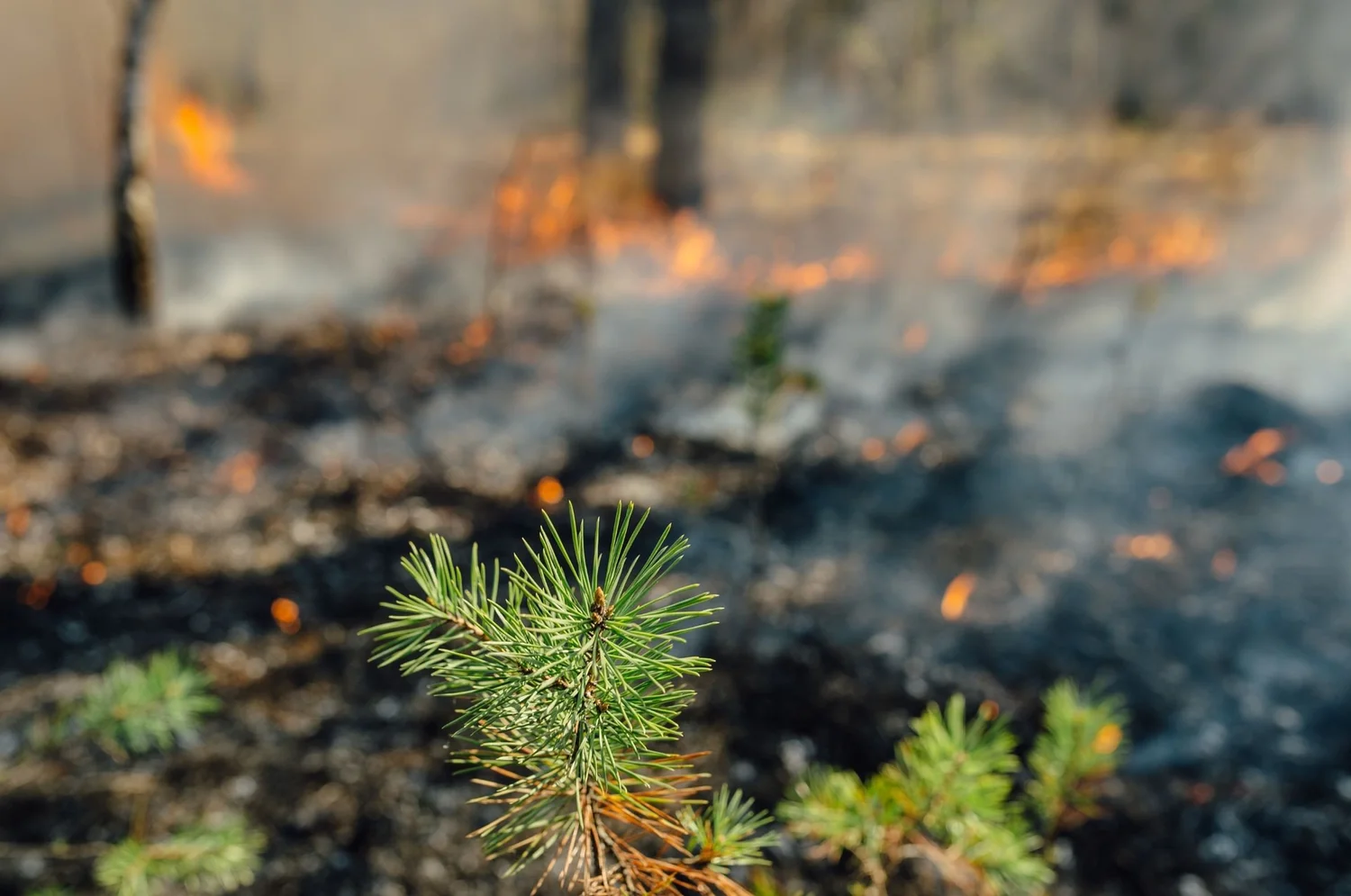
Wildfire season in Alberta can move quickly. High winds and dry conditions can shift smoke and fire behaviour within hours, and the messages that go out to staff, partners and the public need to keep pace. For organizations running projects, facilities or public services, a wildfire is a communication challenge as much as an operational one.
The most area burned in Alberta's recorded history, more than ten times the previous five-year average.
Fires recorded during the official season, about 60 per cent of them human-caused.
People evacuated from 48 affected communities over the course of the season.
Source: CBC News
How Wildfires Disrupt Communication
A wildfire changes the situation for everyone at once. Highways and local roads close. Construction sites may stop work because of smoke, heat or emergency orders. Public services may be delayed or rerouted, and evacuations change who is in the area to receive updates.
People still need answers. Parents want to know whether school buses are running. Business owners want to know about closures and timelines. Neighbours need reminders about fire bans and road closures. When official updates are slow, social media posts and word of mouth can fill the gap with information that may not be accurate.
What Outside Support Adds During an Emergency
During an emergency, the people closest to the operational response are often the busiest. A crisis communications team can work alongside them to:
- Organize key messages and deliver them through the right channels.
- Keep departments, contractors and partners aligned on what is being said.
- Write clear, calm updates on a predictable schedule.
- Point people to official sources such as Alberta Emergency Alert for public safety direction.
Tone and timing matter when worry is high. A clear update can steady people even when the news is not good, because it shows someone is paying attention and planning is under way. Our post on how emergency alerting developed in Canada covers the official alert system in more detail.
We help organizations prepare crisis plans, holding statements and spokespeople before wildfire season, and support them when conditions change.
Explore Crisis CommunicationsPreparing Before Wildfire Season
The best time to plan is well before smoke arrives. Each season is different, and the same kinds of disruption tend to come up.
- Pre-approved messages for closures, work stoppages and evacuation orders.
- A phone tree or contact list for staff, partners and contractors.
- Signage templates and social media guidance.
- Tabletop exercises so the team practises before a real event.
Members of our team hold Incident Command System (ICS) 100 and 200 training, which helps us work within the response structures used by emergency services and municipalities.
Staying Connected as Conditions Change
Different groups need information in different ways. Some want hourly alerts. Others want one full update a day. Business owners may need reminders about closures near their storefronts. Community groups may want copies of updates to share with people who are not online.
Checking in matters too: sending a text, sharing a link in a community group or asking whether someone still has what they need. Our pop-up events case study shows how in-person outreach can reach people during disruption.
- Do we have pre-approved messages for closures and evacuations?
- Can we reach every staff member, contractor and partner quickly?
- Who approves public updates, and who is their backup?
- How will we reach people who are not on social media?
- When did we last run a tabletop exercise?
Is your organization ready for wildfire season?
We help Alberta organizations plan their emergency communication and support them when conditions change.
