Media Training Services

Media Training Edmonton & Alberta | reVerb Communications
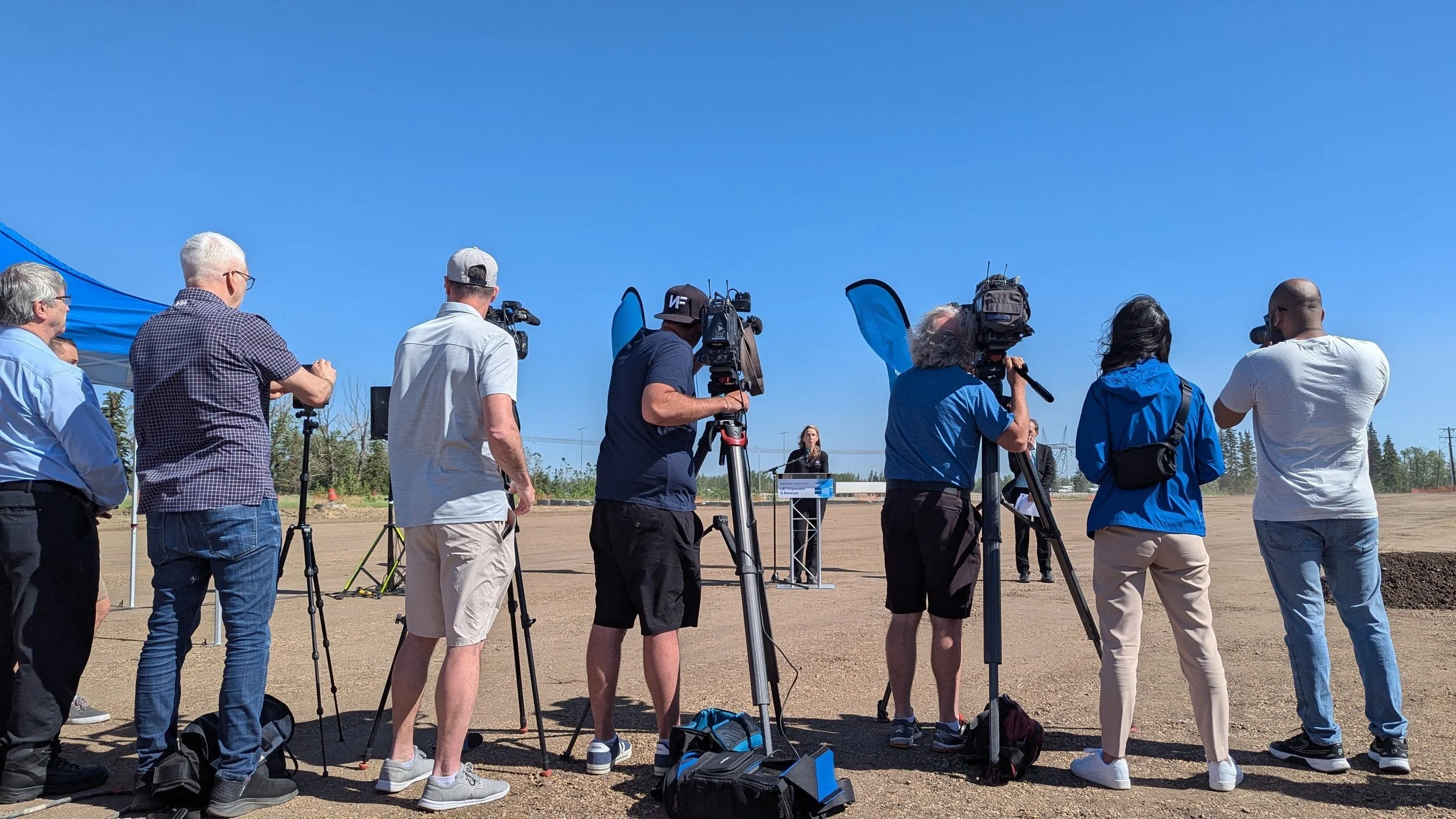
Media training and press conference

Media Training Services
Stop Losing Sleep Before Interviews. Start Communicating with Confidence.

Book Your Media Training

You're Not Alone

These are the real challenges our clients face before training

"I couldn't sleep the night before my last interview"

The anxiety can be intense. Your county manager, your CEO, your deputy minister may lose sleep before media appearances. Even experienced leaders often feel the pressure.

"We just tend to blab"

You're passionate about your work. But that enthusiasm can lead to oversharing, revealing operational details, strategic plans, or information that could put your organization at risk.

"This was all thrown at us at once - no time to prepare"

A crisis hits. A reporter calls. You're thrust into the spotlight with zero preparation. You need to respond now, but you don't know what to say or what NOT to say.

"I'm new to this role and my head is spinning"

You've been promoted. Elected. Appointed as spokesperson. Suddenly you're the one facing cameras and tough questions, but nobody trained you for this.

"We live in a small community - people see us and react"

In smaller municipalities and tight-knit industries, what you say in an interview can follow you to the grocery store, the coffee shop, and every community event.

"We're representing a large organization - it's intimidating"

When you speak, you speak for thousands of employees, millions in taxpayer dollars, critical infrastructure. The weight of that responsibility can feel paralyzing.

The number one thing our clients want? To be less afraid. To reduce the anxiety. To walk into any interview feeling prepared.

On-camera practice setup

On-Camera Practice with Real Feedback

We record interview simulations, review footage together, and provide specific, actionable coaching on body language, vocal delivery, message clarity, and visual presence.

This Isn't Generic Training

Every session is built specifically for your team, your challenges, and your reality

We Start with Deep Discovery

Before your training day, we sit down and talk. We review past articles. We understand what went wrong. We learn about your specific environment: whether you're a defense contractor worried about revealing too much, a municipal official navigating transparency requirements, or a new reeve still finding your footing.

We Simulate YOUR Scenarios

We don't use generic case studies. If you're worried about a reporter asking about budget overruns, we practice that question. If you need to explain a contentious policy decision, we drill that scenario. If you've already had a bad interview experience, we deconstruct it and practice the right approach.

We Create Real Pressure

This isn't gentle practice. We create realistic interview scenarios that prepare you for challenging questions and difficult situations. Because when you've practiced tough scenarios in our training room, the real interview can feel much more manageable.

How We Build Training Just for You

Customization starts before the training day

1

Discovery Call

We talk through your specific challenges. What media encounters have you had? What went wrong? What keeps you up at night? Who will be speaking? What's the "temperature" of your current situation: are you facing intense scrutiny or preparing proactively?

2

Review & Research

We review past interviews, articles, and media coverage. We identify patterns: where spokespeople overshared, missed opportunities to redirect, or got caught off-guard. We study your industry context, regulatory environment, and stakeholder landscape.

3

Custom Scenario Design

We build interview scenarios based on YOUR reality. The questions your spokespeople may face. The topics that are sensitive for YOUR organization. The situations that have already caused problems or that you're anticipating.

4

Training Day

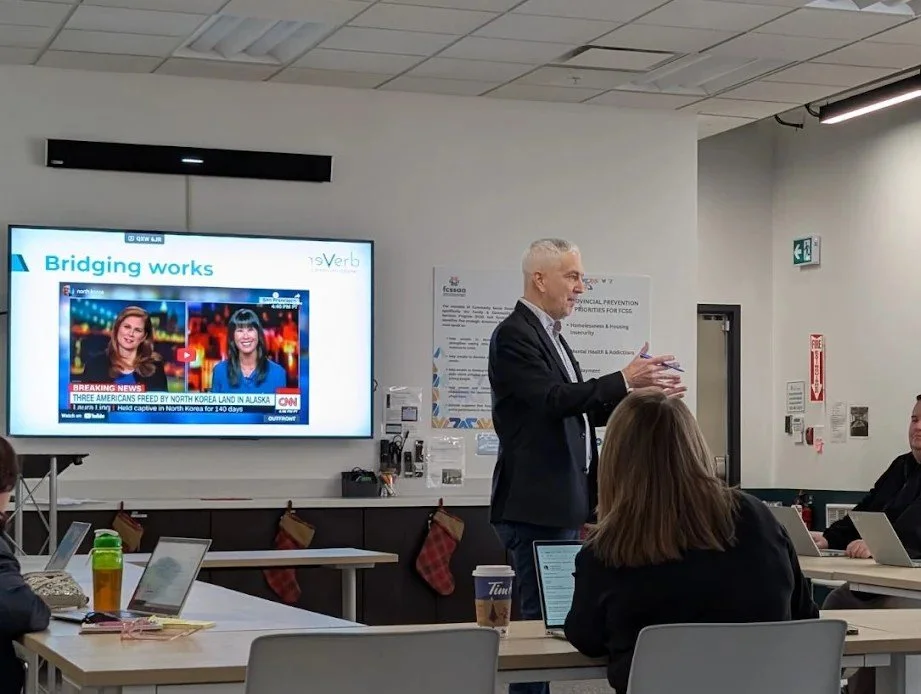
Theory, then practice. We teach the frameworks: bridging, flagging, message development, the difference between "thought" skills and "theater" skills. Then we put you on camera and make you do it under pressure. Multiple rounds. Real feedback. Genuine improvement.

5

Practice Until It Becomes Instinct

The goal isn't perfection. It's developing automatic thinking. We practice the frameworks enough times that you can begin to internalize them. So the next time you face a reporter, a podcast interview, or a public meeting, you know the questions to ask yourself: What's my key message? What do I NOT want to say? How do I bridge away from that loaded question?

Ready to Stop Worrying and Start Performing?

Let's talk about your team's specific needs and design training that prepares you for the interviews you may face.

Schedule Your Discovery Call

This Is Practice, Not Lecture

You don't learn media skills by listening. You learn by doing.

What Actually Happens in Training

On-Camera Mock Interviews

You sit in the hot seat. We ask the tough questions: the ones you might be dreading, the ones that could expose vulnerabilities, the ones that might make you say something you'll regret. We record it all.

Immediate Playback & Critique

We watch the footage together. You see yourself: the fidgeting, the rambling, the moment you said too much. We break down exactly what worked, what didn't, and how to fix it. Specific. Actionable. No sugar-coating.

Multiple Rounds of Practice

One practice interview isn't enough. We do it again. And again. With each round, the goal is to help you get sharper, start bridging more instinctively, stop giving away information, and learn to better control the conversation even when the reporter is challenging or persistent.

Real Scenarios, Real Pressure

We don't do softball questions. If you're worried about being asked about cost overruns on your LRT project, we ask about cost overruns. If you're concerned about questions on a contentious policy decision, we practice that scenario. If you've had a bad interview in the past, we recreate the situation so you can practice the right response.

What We Practice Together

  • How to recognize loaded and biased questions immediately
  • Bridging techniques to redirect from dangerous topics to your key messages
  • What to say and what NOT to say in high-stakes situations
  • Body language and vocal delivery that projects confidence
  • How to stay on message when reporters keep pushing
  • The difference between "thought" skills (strategy) and "theater" skills (performance)
  • How to handle the moment when you realize you've said something you shouldn't have

What We Train You to Ask Yourself:

"Before I walk into this interview, what are my three key messages?"

"What topics are off-limits for me today?"

"How do I bridge if they ask about [sensitive topic]?"

"What does success look like for this conversation?"

Meet Your Trainer

Real newsroom experience. Not theory.

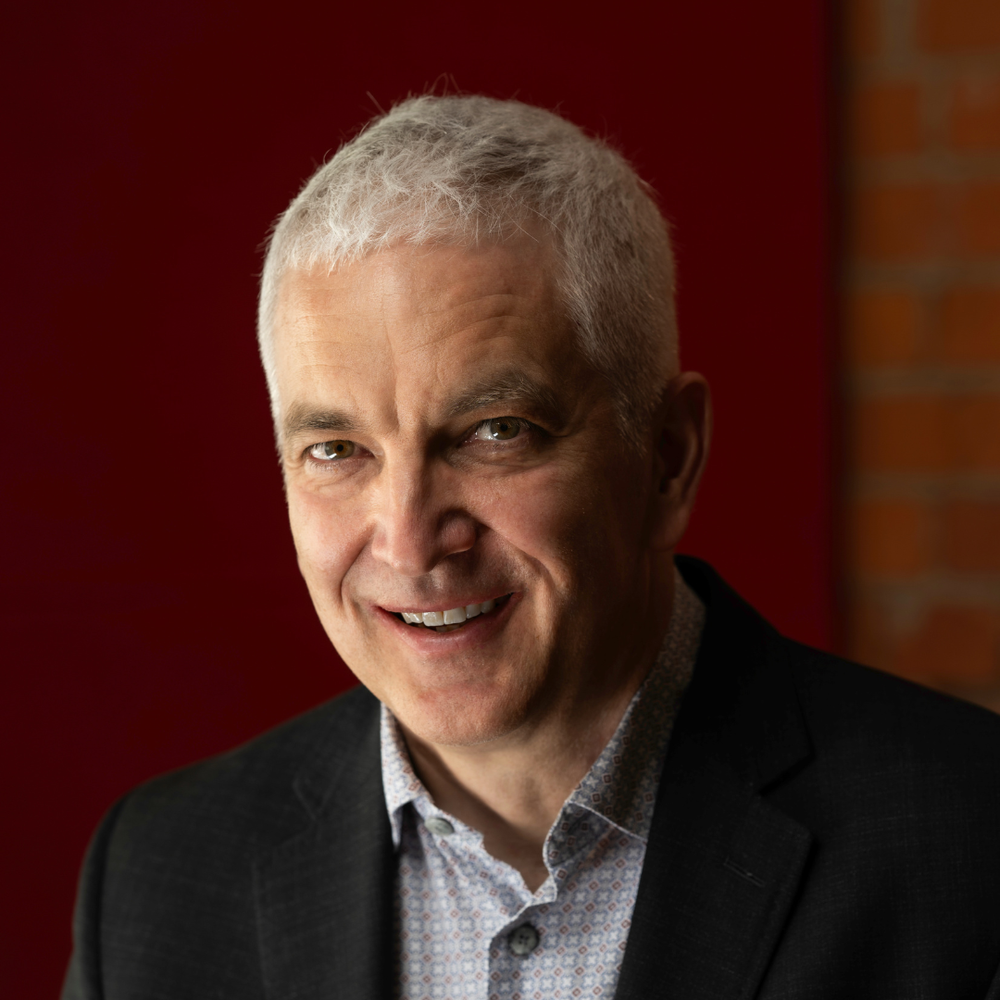
Glenn Kubish

Glenn Kubish

Creative Lead, reVerb Communications

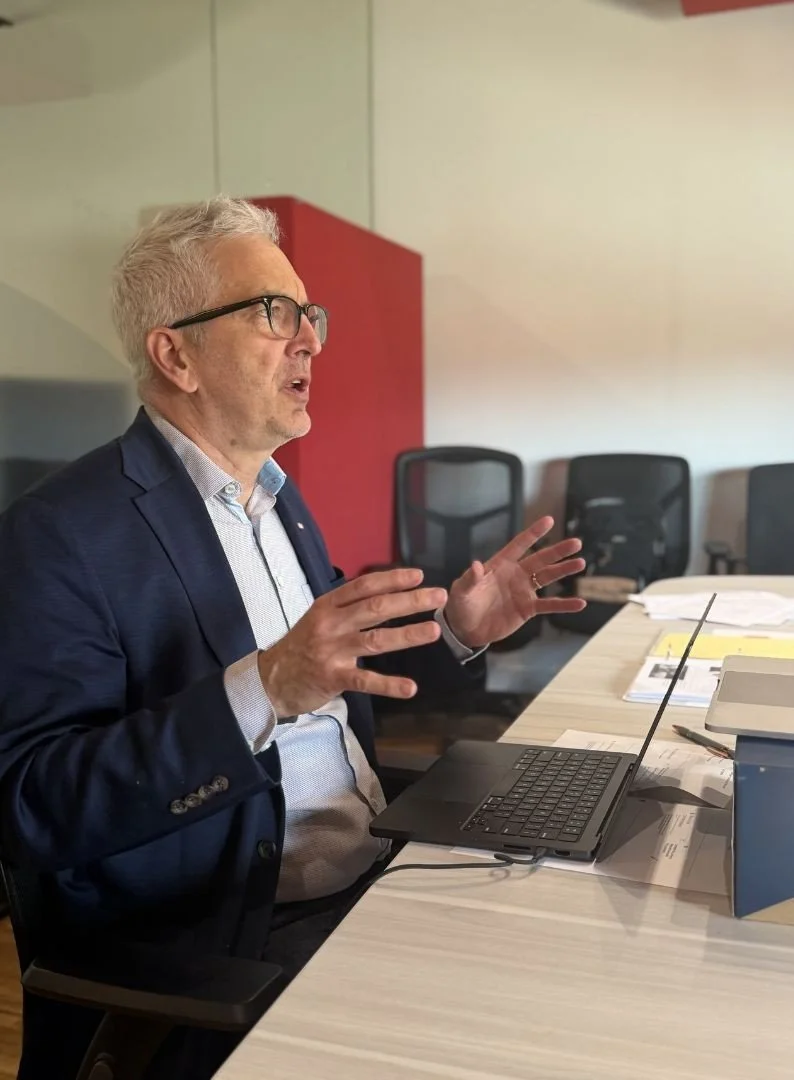
Glenn doesn't teach media training theory. He lived it for 30 years. As a broadcast journalist, he was the one asking the tough questions, pushing for details, and looking for the story angle. He knows exactly how reporters think, how they'll frame questions, and what they're listening for.

His career includes:

  • Director of News & Public Affairs, CTV Edmonton
  • Director of Communications and Strategic Storytelling, City of Edmonton
  • Director of Media & Story, ATB Financial
  • Master of Arts in Communications and Technology, University of Alberta

Glenn's approach: He doesn't do gentle practice interviews. He asks tough questions and follows up when needed. He creates the kind of pressure you may face in real situations. Because when you've practiced with Glenn, the real thing can feel much more manageable.

Who Needs Media Training?

Anyone who might face questions from the media or the public

Elected Officials

Mayors, councillors, and board members who represent the public interest and face regular media scrutiny.

Municipal & Government Staff

City managers, CAOs, communications directors, and program leads who provide official updates and technical explanations.

Corporate Executives

CEOs, CTOs, and senior leaders who serve as the face of their organization, especially in sensitive industries like defense, energy, or infrastructure.

Project Spokespeople

Engineers, planners, or technical leads who explain complex infrastructure projects to the public.

New Leaders

Anyone who's been recently promoted, elected, or appointed to a role where they're suddenly the spokesperson but nobody trained them for it.

Organizations Under Scrutiny

Teams facing intense media attention due to a crisis, controversy, facility closure, policy change, or major announcement.

Training Options

Flexible formats to meet your team's needs

Half-Day Training

  • Media landscape and reporter motivations
  • Tools for managing interviews and tough Q&A
  • On-camera practice with playback and critique
  • Training materials provided

Full-Day Training

  • Everything in half-day training
  • Multiple rounds of practice per participant
  • Deeper focus on storytelling and message development
  • Recorded files provided for review

Custom Options

Specialized training for unique situations:

  • Podcast & long-form interview preparation
  • Executive one-on-one coaching
  • Pre-interview preparation for specific events
  • Crisis media training for high-stakes situations

Podcast Expertise

Glenn co-hosts the InfraSound Podcast and The Message Gets Through Podcast, bringing decades of broadcast experience to help you prepare for podcast interviews, radio appearances, and long-form conversations.

Why reVerb for Your Media Training?

Real Newsroom Experience

Glenn isn't a communications consultant who teaches theory. He's a former broadcast journalist who spent decades asking the tough questions. He knows exactly what reporters are thinking and how they'll frame their questions.

Construction & Infrastructure Focus

We understand the unique pressures of complex infrastructure projects and the intense scrutiny they attract. Our training is tailored to public sector communications and community relations.

Customized to YOUR Reality

Every session starts with deep discovery. We learn your specific challenges, review your past media encounters, and build scenarios based on the actual situations you may face, not generic case studies.

Stop Worrying. Start Performing.

Whether you're a newly elected official, a seasoned executive facing new scrutiny, or a technical expert who needs to explain complex work to the public, we'll help prepare you for the interviews you may face.

Let's start with a discovery call to understand your specific needs.

Schedule Your Discovery Call
Previous
Previous

Media Relations

Next
Next

Crisis Communications & Reputation Management