

Public Consultation and Duty to Consult in Alberta: How to Navigate Both Successfully
Projects in Alberta often require two types of consultation: public consultation to satisfy regulatory requirements and duty to consult with Indigenous peoples when projects may impact their rights. These are different obligations with different legal weight.
Public consultation satisfies requirements set by regulators like the Alberta Energy Regulator or Alberta Utilities Commission. Duty to consult is a constitutional obligation under Section 35 of the Constitution Act when Crown decisions might impact Indigenous rights.
The distinction matters because inadequate duty to consult creates legal risk that can halt projects even after approval. Poor public consultation creates delays or political pressure. Different stakes.
At reVerb Communications, we execute consultation programs across Alberta that satisfy both obligations while building stakeholder support that keeps projects on track.
Where Consultation Programs Fail
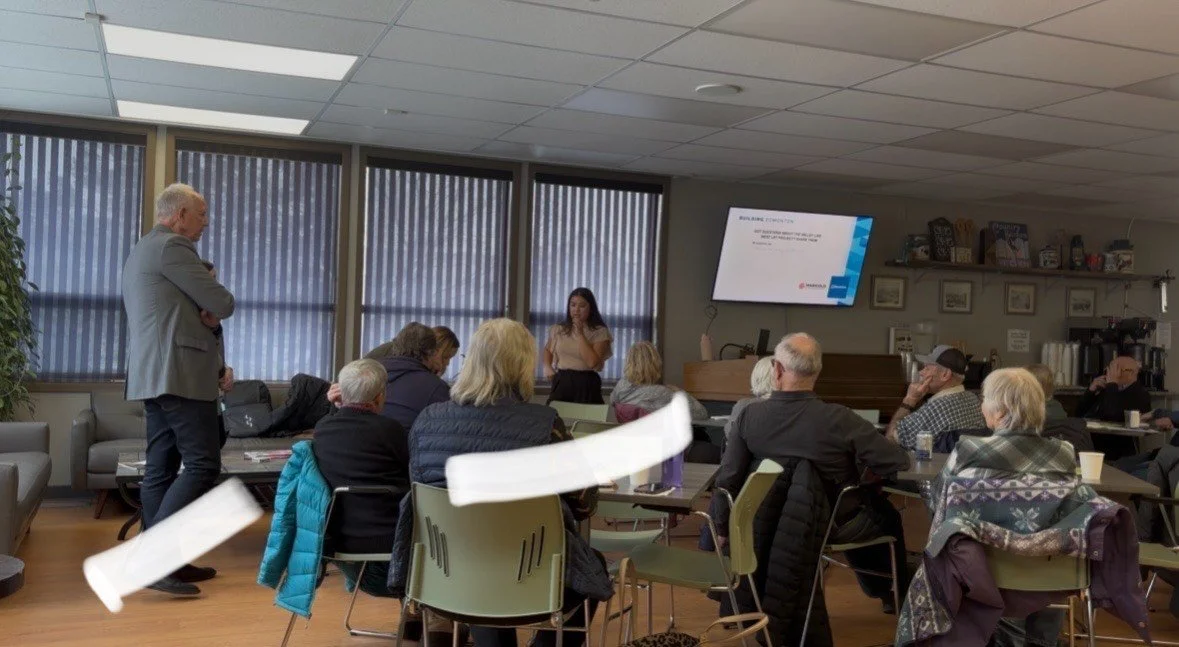
Conflating the Two Obligations: Treating duty to consult as general stakeholder engagement creates legal exposure. Constitutional obligations require specific attention to Indigenous rights, treaty relationships, accommodation, and documentation standards that differ from public stakeholder consultation.
Late Engagement: Starting consultation when regulatory timelines force it means stakeholders have already formed opinions. Opposition has organized. Indigenous communities perceive engagement as procedural rather than genuine.
Minimum Compliance Approach: Meeting regulatory minimums on paper doesn't build relationships that prevent construction delays or community complaints. When consultation feels performative, issues escalate instead of getting resolved.
Documentation Gaps: Public consultation and duty to consult require different documentation standards. Duty to consult documentation faces legal scrutiny. Recording stakeholder meetings doesn't create records that demonstrate meaningful Indigenous consultation and accommodation under current legal standards.
These gaps create delays, legal challenges, and cost overruns.
How reVerb Approaches Consultation
Early Strategic Assessment
We assess your specific obligations before designing programs. Which regulatory frameworks apply? What public consultation is mandatory? Is duty to consult triggered? Which Indigenous communities are affected? What consultation depth is appropriate?
Clear assessment before spending resources on consultation design.
Coordinated But Distinct Processes
We design consultation that satisfies both requirements without conflating them. Efficient engagement with stakeholders and Indigenous communities while maintaining distinct approaches and documentation appropriate to each obligation.
For public consultation, we support programs satisfying your regulatory requirements. Landowner engagement, municipal consultation, public sessions, ongoing communication.
For Indigenous consultation, we design engagement respecting constitutional obligations under Section 35 and aligning with frameworks like the United Nations Declaration on the Rights of Indigenous Peoples Act (UNDRIP). This includes working with Indigenous consultation specialists with community relationships, structuring engagement addressing rights and impacts, developing accommodation measures, and creating documentation that withstands legal scrutiny.
Early Engagement
We start conversations months before regulatory timelines force engagement. Creating relationships while project design is flexible enough to address concerns. When formal consultation begins, continuing established conversations rather than cold introductions.
For public stakeholders, early engagement identifies concerns when adjustments are feasible. For Indigenous communities, early engagement demonstrates respect and creates space for genuine dialogue about rights and impacts.
This approach reduces project risk across Alberta, from Northern Alberta energy developments to Southern Alberta infrastructure projects.
Meaningful Engagement
We design consultation that captures real concerns. When stakeholders see input reflected in project decisions (route adjustments, mitigation measures, benefit-sharing), they shift from skeptics to supporters. When construction issues emerge, established relationships mean quicker resolution.
For Indigenous consultation, impact mitigation responding to concerns about traditional land use, water quality, cultural sites. Accommodation measures addressing economic interests. Partnership approaches creating tangible benefits.
Core to our strategic communications approach.
Defensible Documentation
We maintain records appropriate to legal requirements. For public consultation, documentation satisfying regulatory review. For duty to consult, records demonstrating meaningful consultation and accommodation that withstand legal scrutiny under evolving standards.
Indigenous consultation documentation shows what information was provided, concerns raised, how concerns were addressed or accommodated, and rationale for decisions. When consultation adequacy is challenged, documentation determines outcomes.
Ongoing Communication
We establish systems extending beyond approval. Project websites, community hotlines, liaison roles, newsletters, regular meetings. When construction begins and issues emerge, trusted channels for immediate resolution. Preventing disruptions rather than managing crises.
How This Works in Practice

Our consultation programs typically begin six to twelve months before regulatory applications. This timeline creates flexibility to address concerns through project design rather than managing opposition after decisions are locked in.
Initial Assessment Phase: We assess which regulatory frameworks apply to your project and what public consultation they require. Whether that's AER directives for energy projects, AUC rules for utilities, or other frameworks, we identify mandatory requirements. Simultaneously, we assess whether duty to consult is triggered, which Indigenous communities are potentially affected, and what consultation depth is appropriate under current legal standards.
Process Design: We design separate but coordinated processes for public consultation and Indigenous consultation. For public consultation, this includes stakeholder mapping, engagement materials development, public meeting design, and ongoing communication protocols. For Indigenous consultation, we work with you to engage appropriate Indigenous consultation specialists with community relationships, structure engagement addressing rights and impacts, and develop accommodation approaches responsive to concerns.
Execution: Public consultation proceeds through established regulatory channels with landowners, municipalities, and stakeholders as required. Indigenous consultation follows distinct protocols respecting constitutional obligations and cultural considerations. Both processes maintain separate documentation appropriate to their different legal standards.
Documentation and Application Support: Throughout both processes, we maintain records that satisfy different requirements. Public consultation records demonstrate regulatory compliance. Indigenous consultation records demonstrate meaningful engagement and accommodation meeting constitutional standards under Section 35 and evolving frameworks like UNDRIP. When regulatory applications are submitted, consultation documentation supports approval.
Construction and Operations: Communication infrastructure established during consultation continues through construction and operations. When issues emerge (they always do), established relationships and channels enable quick resolution. Landowner concerns get addressed through community liaison roles. Indigenous monitor concerns get handled through established protocols. Problems get solved before becoming disruptions.
Why This Reduces Risk
Legal Protection
Inadequate duty to consult creates risk of legal challenges under Section 35 halting projects after approval. Evolving legal framework (UNDRIP principles, case law) raises the bar. Proper consultation with appropriate documentation reduces risk.
Regulatory Approval
Regulators assess consultation adequacy. Demonstrating understanding of both obligations and appropriate execution strengthens applications with Alberta Energy Regulator, Alberta Utilities Commission, and other bodies.
Timeline Protection
Legal challenges to consultation delay projects significantly. Construction disruptions from community complaints impact schedules. Strategic consultation reduces likelihood of both.
Project Economics
Delays impact economics. Regulatory delays responding to intervention requests. Construction stoppages from escalating community issues. Legal costs defending consultation adequacy. Often exceed consultation investment by orders of magnitude.
Company Reputation
Consultation approach affects reputation with regulators, Indigenous communities, stakeholders. Impacts future project approvals. Track record matters whether you're developing projects in Fort McMurray, Grande Prairie, Edmonton, Calgary, or anywhere across the province.
Next Steps
Discuss your project with us. We'll assess your consultation obligations and show you how we execute programs satisfying legal requirements while positioning projects for approval and successful construction.
