

Pipeline Consultation Services in Alberta: Our Approach to Stakeholder Engagement
You're planning a pipeline project in Alberta. Between AER requirements, indigenous consultation obligations, and managing stakeholder relationships, you need a consultation strategy that positions your project for success.
Most proponents approach consultation as regulatory compliance. Meet the minimums, check the boxes, satisfy the AER. That can work. But approved projects sometimes face construction delays from community issues, media attention that complicates operations, or challenges that create unexpected costs. Strategic consultation reduces these risks.
At reVerb Communications, we've supported major infrastructure projects across Alberta. We know that getting approved matters. So does maintaining community relationships through construction, managing issues before they escalate, and protecting your company's reputation for future projects. Here's our approach to pipeline consultation that positions projects for success.
The Reality of Pipeline Development in Alberta
AER Directives 056 and 079 set baseline consultation requirements. Indigenous consultation triggers when projects may impact treaty rights. Landowner agreements are mandatory. Municipal stakeholders have input channels.
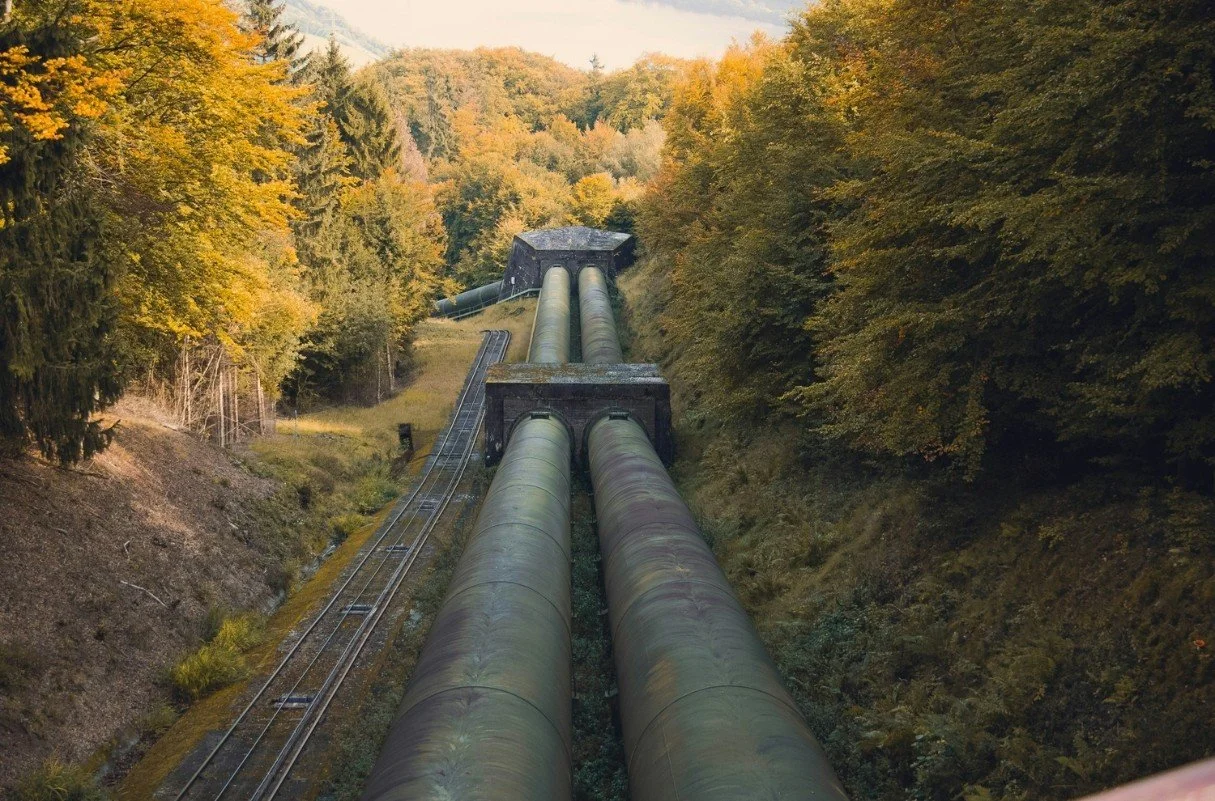
Satisfying these requirements gets you to regulatory review. What happens after depends on multiple variables. Some you control, many you don't.
What can derail projects:
Community complaints during construction that escalate to work disruptions
Media attention that creates political pressure
Legal challenges from indigenous groups or landowner coalitions
Regulatory scrutiny intensifying when public concerns gain traction
Ongoing community friction creating operational complications
Reputation issues affecting future project approvals
You can't control all these variables. You can influence many of them through strategic consultation.
Strategic Consultation: Reducing Project Risk
You're building infrastructure in an environment where projects can face disruption at multiple points. Regulatory approval. Construction. Operations. Media coverage. Legal challenges. Future project applications.
Strategic consultation doesn't guarantee smooth sailing, but it significantly reduces the risk of disruptions that impact timelines and economics.
Reducing Construction Disruptions
Community complaints can stop work. Projects sometimes face noise complaints, traffic concerns, site access disputes. When communities understand project impacts and have trusted communication channels, issues often get resolved quickly. When they don't have these relationships, complaints can escalate. The difference between a resolved phone call and a multi-day work stoppage is where consultation creates value.
Influencing Media Narratives
Opposition groups can use media to amplify their message. Local coverage sometimes creates political pressure. When your project has visible community support (municipal relationships, indigenous partnerships, positive landowner engagement), media coverage tends to include multiple perspectives. You're not preventing opposition coverage. You're ensuring your project's story gets told alongside opposition narratives.
Defending Against Legal Challenges
Indigenous groups and landowner coalitions sometimes file legal challenges. Challenges can succeed when consultation documentation shows inadequate engagement. When your consultation records demonstrate genuine relationship-building and responsive project adaptation, you're in stronger position to defend against challenges. Not guaranteed, but materially better positioned.
Managing Regulatory Oversight
Approved projects face ongoing regulatory oversight. When public concerns intensify, regulators sometimes increase scrutiny of compliance and stakeholder communication. Projects with established community relationships often navigate this scrutiny more efficiently than projects facing organized opposition.
Protecting Company Reputation
Your company is likely building more than one project. How you handle stakeholder engagement on this project can affect approvals elsewhere. Energy companies with track records of respectful engagement sometimes face less organized opposition on new projects. Not always, but reputation matters.
We work with clients across Alberta's energy sector, from Grande Prairie to Southern Alberta, to build stakeholder relationships that reduce project risk.
How We Execute Pipeline Consultation
When you engage reVerb, we focus on positioning your project for success through strategic stakeholder engagement.
Early Stakeholder Intelligence
Six to twelve months before your AER application, we map stakeholders who matter: municipalities, indigenous communities, landowners, regional influencers. We profile their concerns, their influence, and where opposition might organize. You get intelligence while you still have flexibility to address concerns through route adjustments or enhanced commitments.
Building Relationships Early
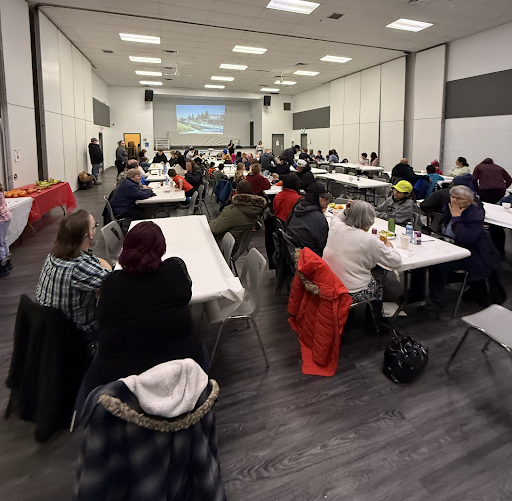
We help you initiate conversations before regulatory timelines force engagement. You're creating relationships that can extend through construction and operations. When formal consultation begins, you're continuing conversations with people who already know your team. When issues emerge later, you have established relationships to work through them.
Strategic Listening
We design engagement that captures real concerns. Actual dialogue, not checkbox meetings. When stakeholders see their input reflected in project decisions (route adjustments, enhanced mitigation, benefit-sharing), they often shift from skeptics to supporters. When construction issues emerge, these stakeholders are more likely to give you benefit of the doubt.
Indigenous Engagement
Indigenous consultation requires respecting protocols and building genuine relationships. We help you approach indigenous communities as partners. Economic participation, monitoring roles, employment commitments. When indigenous communities see tangible benefits and genuine respect, they're more likely to support your project when challenges emerge.
Documentation
Throughout consultation, we document stakeholder engagement, concerns raised, how concerns were addressed, and responses. This documentation supports AER applications, helps defend against potential legal challenges, and demonstrates good faith engagement. Strong documentation reduces risk.
Communication Infrastructure
We establish communication systems that extend beyond approval: project websites, community hotlines, liaison roles, stakeholder newsletters. When construction begins, you have established channels. When issues arise, you can respond quickly through trusted relationships.
Why Proponents Choose reVerb
You're evaluating consultation approaches. Here's what matters: which approach positions your project to navigate stakeholder challenges effectively.
We Understand Alberta Infrastructure: We've supported major projects across the province. We know Alberta's regional dynamics. What works in Fort McMurray can differ from Southern Alberta. We speak the language of Alberta's energy sector.
We Focus on Risk Reduction: We measure stakeholder support built, issues resolved efficiently, balanced media coverage, challenges avoided, company reputation maintained. You get consultation programs designed to reduce project risk, not just satisfy regulatory minimums.
We Deliver Embedded Support: Major infrastructure projects benefit from communications expertise embedded in project teams. When issues emerge during construction (community concerns, media inquiries, stakeholder questions), your embedded reVerb team member can respond immediately with full context and established relationships.
We Build Lasting Relationships: Pipeline projects span years from planning through operations. We design consultation programs that build relationships extending beyond approval, creating stakeholder networks that can support your project through construction and maintain your company's credibility for future development.
Positioning Projects for Success
Pipeline consultation in Alberta is mandatory. The question is whether you're treating it as compliance exercise or as strategic investment in project success.
Projects can face challenges at multiple points: regulatory review, construction, operations, media coverage, legal action. Strategic consultation doesn't eliminate these challenges, but it significantly reduces their likelihood and impact by building stakeholder relationships and community support.
Let's talk about your project. Walk us through your route, timeline, and stakeholder landscape. We'll discuss where strategic consultation reduces risk and positions projects for success, and how we execute consultation programs that strengthen project outcomes from application through operations.
Contact reVerb Communications | Edmonton | Calgary | Fort McMurray | Grande Prairie
