

- Home
- Case Studies
- Valley Line West
Accessibility Testing on a Full‑Scale Mock Train
reVerb recruited and coordinated riders with a range of accessibility needs to test a new LRT vehicle design while it could still be changed.
- Project
- Valley Line West LRT
- Scope
- LRV Mock Train User Testing
- Service
- Specialized Engagement
- Date
- 2023
Testing a Train With the People Who Will Ride It
A full-scale mock train gave Edmonton a rare chance to test a new light rail vehicle design with riders before the vehicles were built.
That chance depended on getting the right people into the train. reVerb built the participant program that made it possible, from finding riders with a range of lived experiences to coordinating every session and documenting what they said.
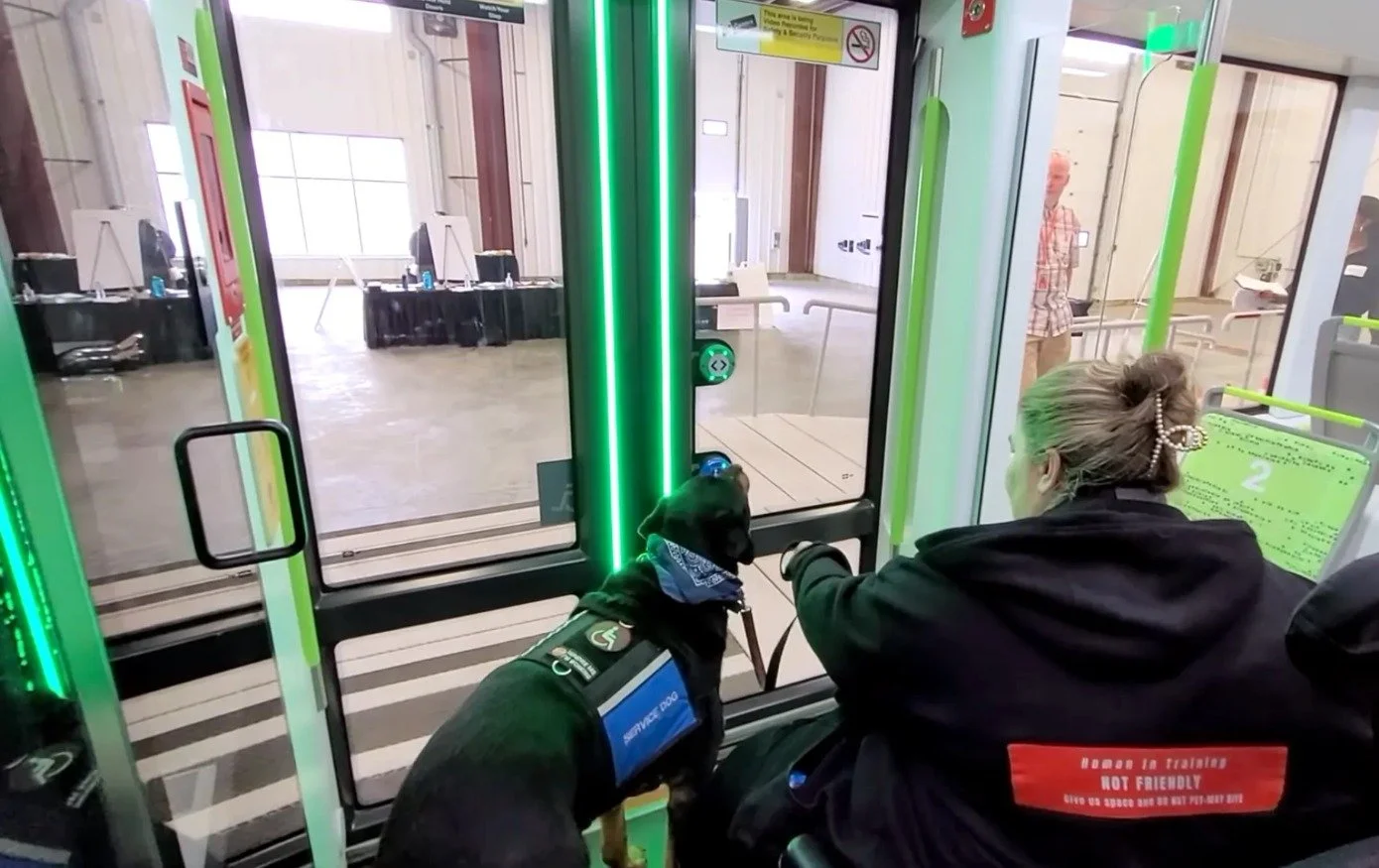
Finding, Coordinating and Listening
The program combined targeted outreach, relationships with accessibility organizations and careful coordination across 18 testing sessions.
Reaching Riders With Lived Experience
Building on research and earlier work on a transit safety campaign, reVerb identified accessibility advocacy organizations and built a contact list to reach people with a range of lived experiences.
- People with vision impairments
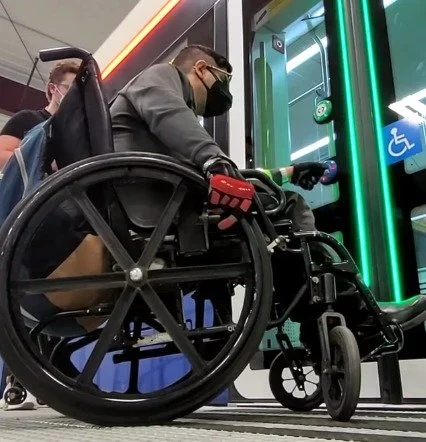
- Wheelchair users
- Walker users
- Guide dog users
- Seniors
- Parents with strollers
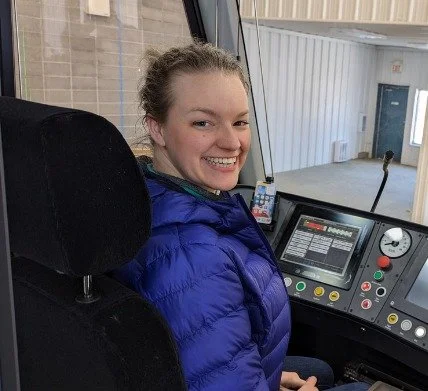
Eighteen Sessions, Start to Finish
reVerb managed participant communications, scheduled dates and times, and organized attendance and follow up for all 18 testing sessions.
Feedback Captured on SiteDocumenting Feedback as It Was Shared
At each session, participants explored the mock train and spoke directly with the technical experts responsible for the vehicle. reVerb documented their feedback on the train and its systems as it was shared, so their experiences reached the design teams in a clear, usable form.
The Results
Strengths Confirmed
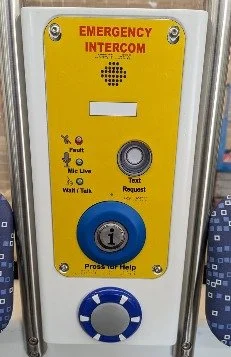
Participants could identify accessible doors, read destination signage, move through the vestibules, aisles and wheelchair area, and find and use emergency devices. The project team learned which features to protect.
Four Design Changes
Rider feedback led to four changes to the vehicle design, all made while the train was still in development.
A Range of Perspectives
Technical teams heard directly from riders with a wide variety of accessibility needs across all 18 sessions.
Feedback That Carried Forward
Participant scores and input informed the design development process and the upcoming order of 46 new Valley Line vehicles.
What Changed Because of Rider Feedback
- Higher-contrast exterior signage, white on black in place of amber on black
- Darker green stanchions and handholds
- A lower horizontal grab bar in the wheelchair space
- Narrower wheelchair backings
Making Participation Possible
Everyone should feel they belong on the train they ride and be comfortable using it.
Riders with a range of accessibility needs tested the mock train so the final vehicle meets the needs of the people who will use it every day. For a public project, it also means being able to show that the people who rely on the train helped shape it, which builds confidence long before opening day.
How reVerb ran the program
- Research-based outreach to accessibility organizations
- Communications, scheduling and follow up for 18 sessions
- Feedback documented on site as it was shared
- Findings delivered to design teams in a usable form
Accessibility Program for a New Transit Line
Helping riders with accessibility needs get to know Edmonton's new low-floor LRT before opening day.
Read the Case Study ServiceStakeholder Engagement
Engagement planning, events and reporting for infrastructure and public sector projects.
View the ServiceTesting a Design With the People Who Will Use It?
reVerb finds and coordinates participants with specialized needs and turns what they say into feedback your design team can act on.
