

What Crisis Management Looks Like for Municipal Teams in Edmonton
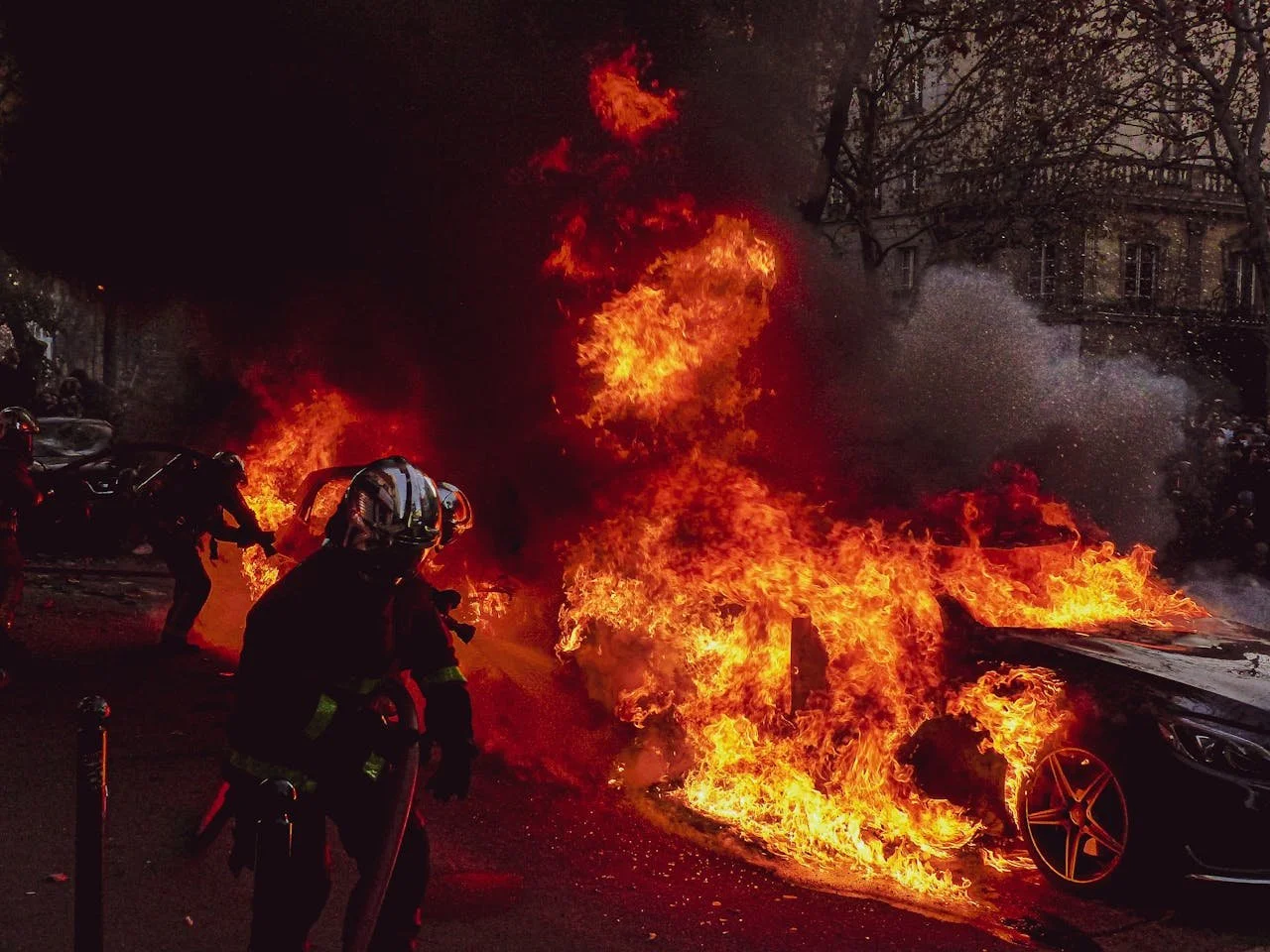
Emergencies in a municipality arrive in many forms. One day it is a power outage that knocks out traffic signals. The next it is a burst water main or flooding after an early snowfall. In each case, residents need clear updates, quick action and a calm voice explaining what comes next.
Nobody can predict every emergency, but a municipality can prepare how it will respond and how it will communicate. In Alberta, that preparation is also a legal requirement.
What the Province Requires
- Council approves the municipality's emergency plans and programs under the Emergency Management Act.
- The plan describes how the municipality will use the Incident Command System (ICS) to command, control and coordinate a response.
- The plan includes a training plan for staff with emergency responsibilities and lists the exercises the municipality will run.
- The plan is reviewed at least once a year.
ICS includes a public information role, so communication is built into the response structure. The plan works best when the people in that role have practised it before an event.
What Municipal Emergencies Look Like
| Event | What Residents Notice | Teams Involved |
|---|---|---|
| Water main break | Flooded roads, water shut off, boil water advisory | Utilities, roads, communications |
| Power outage | Traffic signals down, facilities closed | Utility provider, traffic operations, police |
| Facility failure | A recreation centre or library closed without notice | Facilities, recreation, communications |
| Infrastructure damage | A bridge or major intersection closed | Engineering, roads, transit, police |
| Severe weather or flooding | Closures across the community, transit delays | Emergency management, public works, fire |
Not every emergency makes the news, and many start with something small, such as an alarm or a leak under pavement. Even a small event can disrupt daily routines, and residents look for official information early. Pausing to post a short update or send a notice can prevent rumours from filling the gap while crews are still assessing the situation.
Speaking With One Voice
When several departments respond at once, each needs to know who to contact, who approves public information and what their role is. Without that clarity, time is lost in update chains. Well-meaning staff can also give the public different answers, and social media posts from people at the scene spread quickly. In our experience, false details catch on fastest when official sources stay quiet.
- One person or team approves all public information during the event.
- Departments send updates to that team before sharing them publicly.
- 311, front counter and frontline staff receive the same information as the public, at the same time or sooner.
- Council receives a short briefing before major updates so members can answer residents' questions.
We help municipal and public sector teams build crisis communication plans, message templates and scenario exercises. Our team holds Incident Command System (ICS) 100 and 200 training.
Explore Reputation ManagementPlanning in Quieter Times
Emergencies do not follow a script, and a plan prepared in advance still makes the first hours easier. With roles agreed and templates ready, updates go out faster and decisions are not made from scratch.
- Regular check-ins between departments and the communications team.
- Pre-approved message templates for the events the municipality sees most often.
- Current emergency contact lists, including after-hours contacts.
- Scenario exercises that include the public information role.
Keeping Residents Informed
Not every resident follows social media, so several channels are needed: social posts for real-time updates, text and email alerts for urgent items, a website status page and printed signs at facilities that remain open.
Tone matters too. A calm update, even with bad news, shows the community that the municipality is focused. People stuck in traffic, worried about children getting home or standing at a closed rink need the facts, along with reassurance that someone is working on it and that another update is coming. Our post on communicating through a winter disruption includes a timeline for the first 24 hours.
After the Event
How residents feel about an emergency often depends on how it was handled. Recovery updates, a clear explanation of what happened and a debrief with every department involved help the municipality improve the plan for next time.
- Who fills the public information role in our emergency plan, and who is their backup?
- Who approves public updates during an event, including after hours?
- Do we have templates ready for our most common emergencies?
- How will 311, frontline staff and council get information during an event?
- When did our last exercise include communication, and what did we learn?
Reviewing your emergency communication plan?
A discovery call is a simple way to talk through your plan, templates and exercises. For emergency communication support, our team is available 24/7.
