

Planning Year-End News With Local Media. How Alberta Municipalities Can Time December Announcements So They Reach Residents
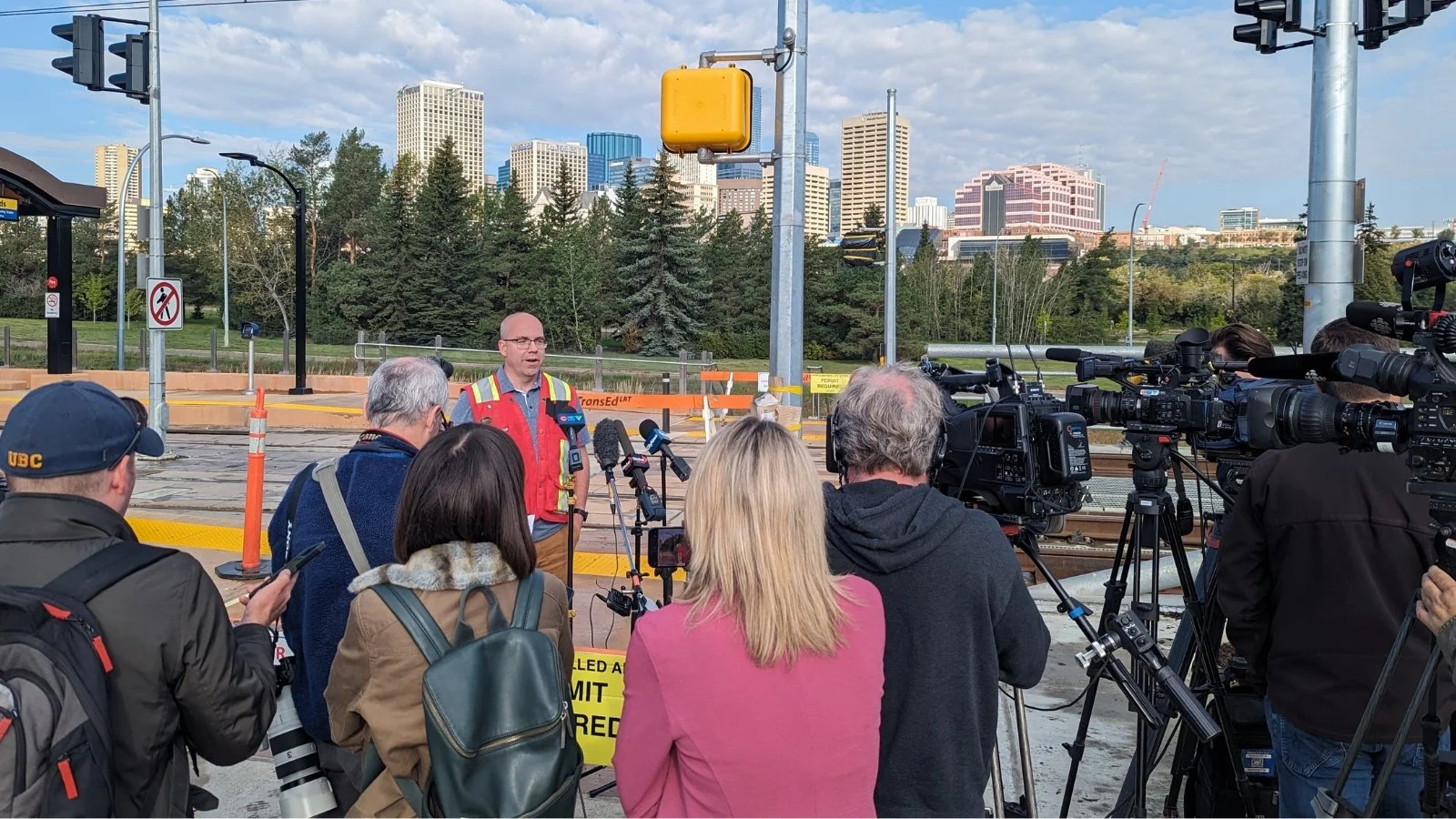
For many Alberta municipalities and public organizations, the end of the year is crowded. Budgets are approved, rates change on January 1, holiday service schedules go out and project teams want to close the year with an update. Much of it lands in the same few weeks of December.
Getting that news to residents takes more than a release sent on December 20. It takes a schedule that works backwards from the holidays, messages short enough to survive a busy season and working relationships with the reporters who cover your community.
What Tends to Land in December
- Approved operating and capital budgets, and what they mean for property taxes.
- Utility rate and fee changes that take effect January 1.
- Holiday hours for transit, waste collection, recreation facilities and administration offices.
- Snow clearing priorities and parking ban procedures.
- Year-end updates on capital projects and plans for the next construction season.
- Staffing and leadership changes.
Each of these competes with the others, and with everything else in the news cycle. Budget coverage and weather stories take up much of the local news in December, and an update that is planned around that rhythm has a better chance of being seen. Our post on municipal budget communication covers the budget piece in more detail.
Plan Backwards From the Holidays
The last weeks of December move quickly. Approvals take longer when staff are away, and many reporters are working ahead to cover their own time off. A simple backwards schedule keeps the important items from slipping into the holiday gap.
List every announcement planned for December and January. Sort them into what must go out before the holidays and what can wait.
Draft releases, key messages and background material. Confirm who will speak for each item and who approves it.
Send holiday service schedules and any date-specific changes, so they can be picked up before residents start making plans.
Release budget outcomes, rate changes and project updates. Leave room for follow-up interviews before offices close.
Keep a named media contact and an approved holding statement for anything urgent, such as a service disruption or weather event.
Send reminders for changes that took effect January 1 and anything held back from December.
Illustrative schedule. Adjust to your council calendar and approval process.
Choosing the Right Channels
Local outlets reach different people in different ways, and holiday routines change how people read and listen. Knowing which outlet suits which update saves effort for both your team and the newsroom.
| Outlet | Suited To | Planning Note |
|---|---|---|
| Community weekly papers | Budget summaries, holiday hours and local project updates | Print deadlines come earlier over the holidays, so submit early |
| Local radio | Service changes, snow clearing and time-sensitive notices | Short, clear items with a date and a place to find more detail |
| Television | Stories with a visual element and a spokesperson available on camera | Confirm spokesperson availability before pitching |
| Online news | Shorter updates that connect to a larger story | A link to full details on your website helps |
| Your own channels | Everything, with full detail | Website, social media and newsletters should carry the same facts as the release |
We help municipalities and public organizations across Alberta plan announcements, prepare spokespeople and work with local media.
Explore Media RelationsKeep Messages Short and Clear
By late December, residents are busy with travel, family and the weather. Year-end messages work best when the most important point is easy to find.
Holiday hours, collection schedules and rate changes. Lead with the date and what changes. Use plain language and put the key point in the first two lines.
A delayed project, a service reduction or a tax increase. Be direct about what happened and what comes next. If timing is uncertain, say so and give the date of the next update.
Working With Reporters in December
Reporters cover more ground with fewer people over the holidays. Being easy to work with helps your story get placed and builds goodwill for the year ahead.
- Reply to media requests quickly, even if only to confirm when you will follow up.
- Have quotes, background and images ready so reporters do not need to chase details.
- Make sure your spokesperson is available in the days after a release.
- Keep a contact on call over the holiday closure for urgent questions.
Spokespeople who are new to the role benefit from preparation before the season starts. Our post on media training for municipal leaders covers what that preparation looks like.
Track What Happens After the Release
Media monitoring shows where the story ran, how it was framed and whether any concerns are building over the holidays, when fewer staff are watching. We pair media relations with media monitoring so teams can respond early and plan January with a clear picture of how December landed.
- Which updates must go out before the holidays, and which can wait until January?
- Who approves each release, and are they available in December?
- Which outlets reach the residents affected by each update?
- Is a spokesperson prepared and available after each release?
- Who is the media contact during the holiday closure?
Planning your year-end announcements?
A discovery call is a simple way to talk through what you need to announce, your timing and where support would help.
