Alberta Energy Regulator (AER) Engagement: From Wells to Quarries to Pipelines

Here's what we know about getting major projects approved in Alberta.

Alberta Flag

Your project has solid economics. Your engineering is sound. Your timelines reflect real market opportunities. And then your application reaches the Alberta Energy Regulator, where the timeline depends on something that seems simple but proves decisive: how well you engaged the people your project affects.

The AER processes tens of thousands of applications across oil, gas, and mineral development every year. The difference between projects that moved forward in weeks and those that took months often came down to stakeholder engagement. The companies that understood this built relationships before filing applications. They invested time in conversations. They addressed concerns early. They demonstrated respect for the people whose lives their projects would touch.

This is about building genuine consent before you ask for approval.

Whether you're applying under Directive 056 for wells and pipelines, Directive 091 for rock-hosted minerals like silica or lithium, or Directive 090 for brine-hosted minerals, the regulatory framework asks for the same thing: evidence that you engaged stakeholders effectively and worked to resolve concerns before seeking permission to proceed.


What Effective Engagement Looks Like

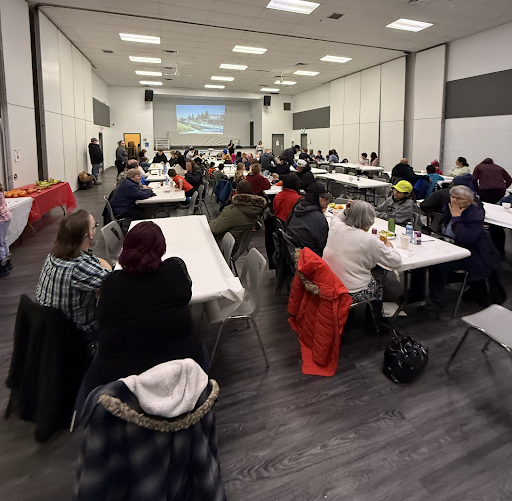
stakeholder engagement session

When your application achieves routine processing status, it signals something important to the AER. It shows that the people along your consultation route feel heard. That landowner concern? You addressed it thoroughly and documented the resolution. That First Nation with traditional territory in your project area? You coordinated with the ACO and completed adequate consultation. That municipality concerned about cumulative impacts from your quarry expansion? You worked together on mitigation measures they could support.

The AER requires companies to develop and execute participant involvement programs that notify and share information with nearby parties - residents, Indigenous communities, governments, and other companies. The quality of that involvement determines whether your project moves forward smoothly or triggers additional regulatory review.

Industry data shows that applications in Alberta take time, particularly when consultation raises unresolved concerns. As consultation procedures evolve and public awareness of resource projects increases, the importance of getting engagement right continues to grow.

The companies that navigate this successfully share a common approach: they treat stakeholder engagement as integral to project design, starting early and continuing throughout development.


Understanding What Triggers Additional Review

Your application receives additional scrutiny when several conditions arise:

  • Stakeholder or Indigenous opposition that remained unresolved through consultation creates questions about whether engagement reached the depth required.

  • Technical, safety, or environmental concerns that stakeholders raised and you addressed create documentation showing your responsiveness.

  • Complete participant involvement documentation that proves you met requirements demonstrates your commitment to the process.

  • Resolution efforts with landowners, residents, municipalities, or other companies show your willingness to find common ground.

  • Cumulative effects discussions with communities managing multiple projects reveal your awareness of broader impacts.


Directive 056: Oil and Gas Development

For wells, pipelines, and facilities, Directive 056 asks that participant involvement programs include distributing information packages, responding to questions and concerns, discussing alternatives and mitigation measures, and seeking confirmation that stakeholders accept the approach you've proposed.

The directive calls for something deeper than notification. It asks you to close the loop with participants. When your application changes, when the project evolves, when circumstances prevent you from meeting a previous commitment, you circle back and communicate those changes. Companies that invest in ongoing dialogue consistently achieve smoother approvals.

pipeline

Directive 091: Rock-Hosted Mineral Development

For mineral projects including silica, lithium, rare earth elements, and other rock-hosted resources, Directive 091 establishes participant involvement requirements that recognize the unique aspects of mineral development:

Long-term surface disturbance from quarrying and mining operations means stakeholders live with visible impacts for decades, requiring deeper engagement on landscape change.

Water management and watershed impacts affect downstream users who depend on water quality and availability, creating opportunities for collaborative monitoring approaches.

Transportation and infrastructure needed to move materials involves communities along haul routes, opening conversations about timing, routing, and road maintenance.

Reclamation obligations that extend decades beyond active operations benefit from stakeholder input during planning, building shared understanding of what restoration can achieve.

Cumulative effects in regions with multiple mineral developments call for coordination among operators and transparent communication with affected communities.

Section 3 of Directive 091 asks applicants to develop participant involvement programs that move beyond mere notification. You demonstrate genuine engagement with parties who may experience direct impacts, including Indigenous communities with traditional use areas in the project vicinity.


Directive 090: Brine-Hosted Mineral Development

Brine Pond

Brine-hosted mineral projects - extracting lithium from oilfield brines, for example - fall under Directive 090 while incorporating participant involvement approaches from Directive 056. These projects often build on existing oil and gas operations, creating opportunities to work with stakeholders already familiar with the area and its development history.


Indigenous Consultation: A Critical Coordination Challenge

Energy and mineral projects that trigger Crown decisions on land and natural resource management activate the duty to consult First Nations, Métis Settlements, or Credibly Asserted Métis Communities.

The Aboriginal Consultation Office directs project proponents to consult with Indigenous communities that may experience impacts. The AER waits for ACO confirmation that consultation reached adequate levels before approving applications.

This consultation process runs alongside your participant involvement program. The Joint Operating Procedures between the AER and ACO define three consultation levels - minimal, moderate, and extensive - with the appropriate level determined by your activity type, location, potential impacts to Treaty rights and traditional uses, and proximity to known traditional use sites.

Companies that succeed in this dual process share several practices:

  • They submit pre-consultation assessment requests early, getting ACO direction before application deadlines become pressing.

  • They coordinate participant involvement under AER directives with Indigenous consultation under ACO direction, ensuring consistent messaging and integrated timelines.

  • They recognize that all project types - energy and mineral alike - face the same Indigenous consultation requirements, adjusting their approach to match consultation complexity.

  • They understand that consultation timelines for moderate or extensive processes require months, and they plan their project schedules accordingly.

  • They invest time in understanding the concerns that matter to Indigenous communities, approaching consultation as relationship-building rather than regulatory compliance.

Recent decisions confirm that the AER considers potential adverse impacts to Indigenous rights when assessing whether projects serve the public interest. This consideration sits at the core of regulatory approval.

For mineral projects in particular, the long-term nature of surface disturbance and the permanence of landscape change create heightened importance for Indigenous consultation. A silica quarry operating for 30 years and permanently altering the landscape requires deeper engagement than infrastructure that crosses traditional territory with minimal ongoing presence.


Building Documentation That Demonstrates Engagement Quality

Whether you're filing under Directive 056, 091, or 090, the AER asks applicants to develop audit documentation packages early and build them throughout the consultation process. When the AER reviews your documentation, they look for evidence of genuine engagement - proof that you invested in meaningful dialogue.

Your documentation should tell the story of engagement:

  • Who you consulted, showing you reached all required participants within notification radius or affected area.

  • When consultation occurred, demonstrating you provided sufficient advance notice as required.

  • What information you shared, proving your project-specific information packages met all requirements.

  • How you responded to concerns, documenting discussions of alternatives and mitigation that showed you listened and adapted.

  • Where you achieved resolution, presenting written confirmations of stakeholder acceptance or documenting good-faith efforts to address outstanding concerns.

Companies that assemble this documentation systematically from day one of consultation move through AER review efficiently.

For mineral projects under Directive 091, documentation tells an additional story:

  • Baseline environmental conditions established before disturbance, showing you understand the starting point for measuring impacts.

  • Reclamation plans developed with stakeholder input, demonstrating you incorporated local knowledge and community priorities.

  • Long-term monitoring commitments that extend beyond project closure build confidence in your environmental stewardship.

  • Cumulative effects assessment in regions with multiple developments, acknowledging the broader landscape of industrial activity.

reVerb Street Team - Community Engagement - Edmonton, Alberta
 

Staying Current With Regulatory Evolution

The AER released significant updates in 2024-2025 that shape how companies approach applications:

  • Directive 091: Rock-Hosted Mineral Resource Development took effect March 15, 2024, establishing comprehensive requirements for Alberta's emerging mineral sector, including lithium, rare earths, and industrial minerals.

  • Specified Enactment Direction 004 became effective July 24, 2025, bringing new application requirements for AER-regulated pipelines requiring EPEA approval.

  • Revised Pipeline Rules effective October 29, 2025, clarify technical requirements and align with CSA Group pipeline standards.

  • Updated Directive 060 on flaring, incinerating, and venting incorporates CSA Z620.3 performance requirements.

The introduction of Directive 091 reflects Alberta's expanding role in critical mineral development. With lithium, rare earth elements, and industrial minerals gaining strategic importance, the province welcomes increased mineral exploration and development applications. Companies entering this sector discover that mineral projects - with their decades-long timelines and permanent surface disturbance - face stakeholder sensitivity that requires extensive consultation and careful community relationship-building.

These regulatory changes mean approaches that worked 12 months ago may need refinement to meet current requirements. Staying current with regulatory evolution helps ensure your application timeline proceeds as planned.


How reVerb Supports Project Approvals

We've managed stakeholder engagement for major energy and infrastructure projects where timelines mattered and delays carried real costs. Each project requires navigating complex regulatory requirements with multiple levels of government and diverse stakeholder groups.

Our approach centers on designing consultation programs that build genuine relationships.

Before you file your AER application, we help you accomplish several objectives:

  • Map stakeholders systematically, using regulatory notification requirements as your foundation, then expanding based on project-specific factors that merit attention.

  • Create information materials that meet all regulatory requirements while remaining accessible to non-technical audiences - explaining hydraulic fracturing for a Directive 056 well application or quarry operations for a Directive 091 mineral project in language that welcomes questions.

  • Coordinate Indigenous consultation with ACO requirements, ensuring pre-consultation assessments happen early and consultation documentation meets adequacy standards.

  • Document everything in formats that demonstrate engagement quality during AER audit and show good-faith efforts to address stakeholder concerns.

  • Work toward resolution before applications reach the AER, using questions that surface underlying interests and collaborative problem-solving that finds mutually acceptable solutions.

  • Maintain dialogue when project parameters change, keeping stakeholder confidence strong throughout the regulatory process.


What This Means For Your Project

You can assemble the best technical team. Your geologists can prove up world-class reserves. Your legal advisors can structure agreements that protect your interests. All of that matters, but the quality of your stakeholder engagement determines whether your project timeline proceeds as planned or faces regulatory delays.

The AER holds hearings when stakeholder concerns remain unresolved. They ask for supplemental information when documentation seems incomplete. They want to see that you engaged stakeholders effectively.

This applies whether you're drilling wells under Directive 056, developing quarries under Directive 091, or extracting minerals from brines under Directive 090. The regulatory framework asks the same question across project types: did you engage effectively and work toward resolution?

You can approach this challenge with the seriousness it deserves.

reVerb Communications specializes in regulatory stakeholder engagement
for energy and mineral projects in Alberta.

We understand Directive 056, 091, and 090. We know ACO consultation processes. We've helped major projects achieve regulatory approval by building stakeholder relationships that created genuine support for development.

Ready to talk through your upcoming AER application and how stakeholder engagement can support your timeline?


Note: This post reflects regulatory requirements current as of January 2026. Always consult current AER directives and ACO guidelines for the most up-to-date requirements.

Previous
Previous

How Reputation Management in Edmonton Prepares for Council Budget Decisions

Next
Next

Keeping Budget Conversations Clear in Edmonton